
What Are Cancer Clinical Trials?
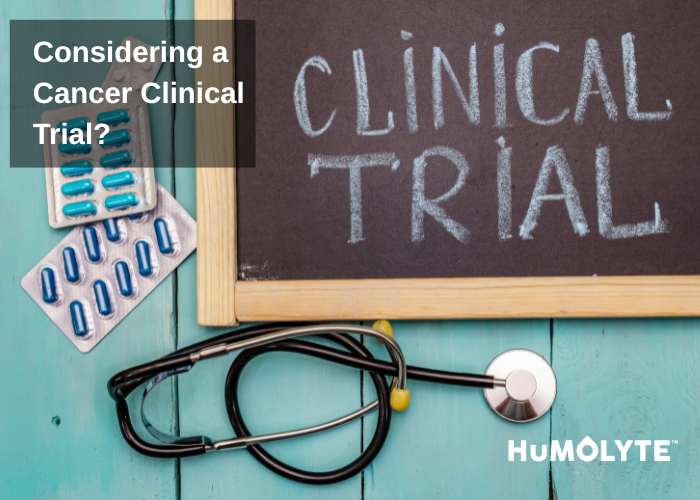
Clinical trials are research studies that involve people and are designed to test new therapies, procedures, or ways of using existing treatments to improve cancer care. They are essential to advancing medicine and offer insights into safety, effectiveness, and quality-of-life outcomes for new approaches to prevention, detection, treatment, and symptom management.
Contrary to a common misconception, participating in a clinical trial does not mean you won’t receive treatment or be given a placebo; most cancer trials compare a promising new option with the current standard of care so that all participants receive necessary treatment.
Why Clinical Trials Matter
Every approved cancer treatment available today exists because patients volunteered for clinical research. Participating in a clinical trial can:
Give earlier access to potentially effective treatments not yet widely available.
Allow care teams to monitor you closely with specialized expertise and resources.
Contribute to discoveries that may help future patients, including your own family and others facing similar challenges.
Who Can Join a Clinical Trial?
Eligibility for a clinical trial depends on specific criteria for each study. These may include:
Type and stage of cancer
Previous treatments
Other health conditions or factors
Your care team is the best place to start. Oncologists and clinicians routinely review whether patients qualify for studies that might benefit them. If a trial is a possible match, research coordinators help guide the next steps.
How Patients Find and Enroll in Trials
There are several pathways to connect with a clinical trial, including:
Referral from your medical team
Searching registries such as the Mayo Clinic clinical trials database or ClinicalTrials.gov
Trial navigators or research coordinators who assist with eligibility and enrollment questions
It’s important to take time to understand what participation involves — including potential risks, time commitments, travel needs, and how the study fits into your overall care plan.
Making Trials More Accessible
Clinical trials historically required frequent visits to major medical centers. Innovative programs, such as clinical trials beyond traditional walls, are helping bring components of research closer to home. This may include remote monitoring, virtual check-ins, and lab draws at community locations — easing the burden on patients and caregivers.
Final Thoughts for Patients and Caregivers
Deciding whether to participate in a clinical trial is deeply personal and may feel overwhelming. Honest conversations with your oncology team, family members, and support network can help clarify what’s best for your unique situation.
Clinical trials are not just research — they are a bridge between today’s care and tomorrow’s breakthroughs. Your participation can be a powerful way to contribute to progress in cancer care, while also accessing advanced treatment options that might improve your own health and quality of life.
Reference
Mayo Clinic Q&A: What does it mean to be in a cancer clinical trial?
For more information on how HuMOLYTE can support your gut health during chemotherapy, visit our product page or consult your health care provider.
This blog was reviewed by Dr. Sourabh Kharait.
This blog is for educational purposes only and is not intended as medical advice. Always consult with your healthcare provider before making any changes to your treatment plan, hydration strategies, or diet. The information provided here is based on general insights and may not apply to individual circumstances.
