
February Is Gallbladder Cancer and Bile Duct Cancer Awareness Month
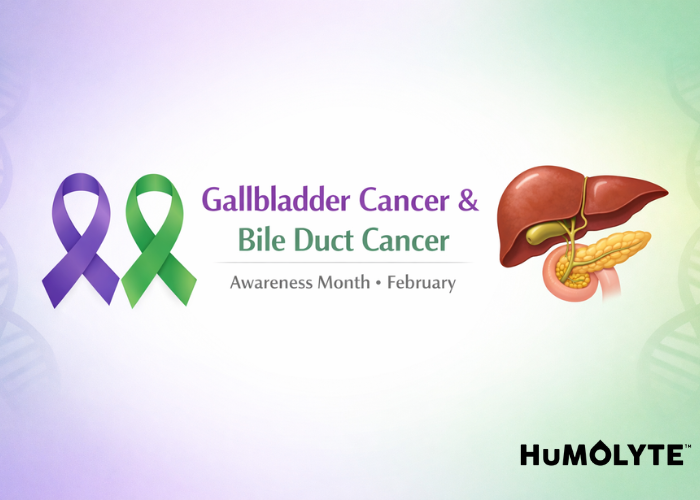
February is dedicated to shining a light on two rare but serious cancers: gallbladder cancer and bile duct cancer (also called cholangiocarcinoma). Because these diseases are uncommon and often difficult to diagnose early, awareness can make a meaningful difference—especially for patients, caregivers, and families navigating complex symptoms, testing, and treatment decisions.
Why Awareness Matters
Gallbladder and bile duct cancers are frequently diagnosed at later stages. Symptoms can be vague or mistaken for more common digestive issues, such as abdominal pain, jaundice, itching, nausea, or unexplained weight loss. By increasing awareness, we help patients and caregivers recognize warning signs sooner, ask informed questions, and seek specialized care when needed.
For caregivers, awareness also means understanding the emotional and practical challenges your loved one may face—from managing fatigue and pain to coping with uncertainty. Knowledge empowers advocacy.
Understanding the Basics
Gallbladder cancer begins in the gallbladder, a small organ beneath the liver that stores bile.
Bile duct cancer (cholangiocarcinoma) starts in the bile ducts, which carry bile from the liver to the small intestine.
Risk factors can include chronic inflammation of the bile ducts, gallstones, certain liver conditions, and age, though many people diagnosed have no clear risk factors at all.
Diagnosis and Treatment
Diagnosis often involves imaging tests, blood work, and biopsies. Treatment plans may include surgery, chemotherapy, radiation, targeted therapies, or participation in clinical trials. Because these cancers are rare, seeking care from a center experienced in hepatobiliary cancers can be especially important.
Organizations like the American Cancer Society provide education, support resources, and guidance that can help patients and caregivers understand options and cope with the journey ahead.
Supporting Patients and Caregivers
If you are caring for someone with gallbladder or bile duct cancer:
Encourage open communication with the care team.
Keep a symptom and question journal for appointments.
Seek support groups—connecting with others facing similar diagnoses can reduce isolation.
Remember to care for yourself. Caregiver burnout is real, and your well-being matters.
For patients, it’s okay to ask for help, seek second opinions, and lean on your support network. You are not alone.
How You Can Help This February
Share reliable information to raise awareness.
Support advocacy and research efforts focused on rare cancers.
Listen with compassion to patients and caregivers who want to share their stories.
Awareness months are about visibility, hope, and action. This February, by learning and sharing, we honor everyone affected by gallbladder and bile duct cancers.
For more information on how HuMOLYTE can support your gut health during chemotherapy, visit our product page or consult your health care provider.
This blog was reviewed by Dr. Sourabh Kharait.
This blog is for educational purposes only and is not intended as medical advice. Always consult with your healthcare provider before making any changes to your treatment plan, hydration strategies, or diet. The information provided here is based on general insights and may not apply to individual circumstances.
