
How to Handle the Holidays While Undergoing Chemotherapy
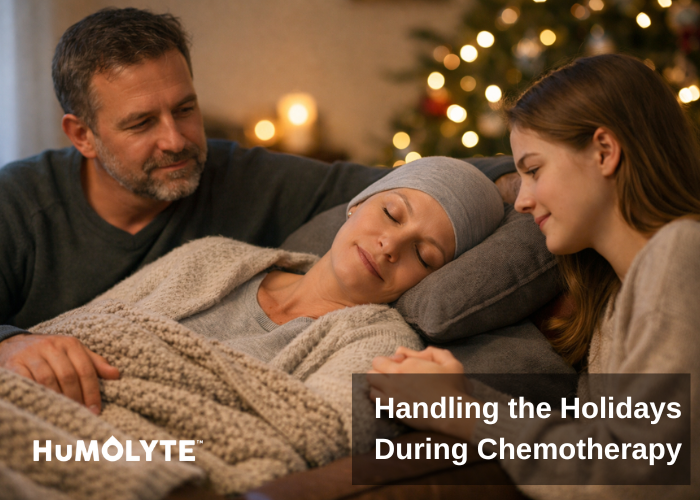
Undergoing chemotherapy during the holidays can feel overwhelming. Fatigue, side effects, lowered immunity, and emotional stress often collide with expectations to travel, gather, and celebrate. If you’re in treatment, struggling through the holidays does not mean you’re doing anything wrong—it means your body is working hard.
This guide explains how to handle the holidays while undergoing chemotherapy, with practical strategies to protect your health, conserve energy, manage expectations, and find comfort during a demanding season.
Why chemotherapy makes the holidays harder
Chemotherapy affects the body and mind in ways that directly impact holiday plans. Common challenges include:
Extreme fatigue that doesn’t improve with rest
Nausea, appetite loss, or taste changes
Brain fog or emotional sensitivity
Increased risk of infection
Pressure to attend gatherings or “keep traditions going”
These effects are normal during chemotherapy. Adjusting your holiday plans is a medical and emotional necessity—not a personal failure.
Start by resetting expectations
One of the most important steps is accepting that this holiday season will look different.
Helpful reminders:
This is a treatment season, not a performance season
Rest is part of your care plan
You are allowed to decide at the last minute
Setting expectations early—both for yourself and others—can reduce guilt and stress.
You might say:
“I’m keeping plans very small this year because of chemo.”
“I may need to cancel last-minute depending on how I feel.”
“Short visits work better for me than long gatherings.”
Prioritize energy over tradition
During chemotherapy, energy is limited. Instead of asking, “What do we usually do?” ask:
“What matters most to me this year?”
“What gives comfort without costing too much energy?”
Low-energy options may include:
Attending one event instead of several
Visiting for 20–30 minutes
Celebrating on a different day
Participating virtually
Creating a single, small ritual at home
Traditions can be simplified without losing meaning.
Protect your immune system during chemotherapy
If chemotherapy has weakened your immune system, safety must come first.
You are allowed to:
Decline indoor or crowded gatherings
Ask people to mask, test, or reschedule
Avoid travel
Leave early if you feel unwell
Clear language can help:
“My treatment lowers my immunity, so I have to be careful.”
“I’d love to connect, but my health has to come first right now.”
You do not need to justify medical boundaries.
Manage holiday food challenges during chemo
Chemotherapy often changes appetite and taste, making holiday meals difficult.
Helpful strategies:
Eat small amounts before or after gatherings
Bring foods you know you can tolerate
Focus on hydration if eating is hard
Release pressure to eat traditional dishes
If food is a major struggle, it’s okay to skip food-centered events entirely.
Schedule rest before and after activities
One common mistake during the holidays is over-stacking activities without recovery time.
If you choose to participate:
Limit yourself to one main activity per day
Schedule rest before and after events
Avoid back-to-back commitments
Rest is not optional during chemotherapy—it is treatment support.
Address the emotional impact of chemo during the holidays
Chemotherapy during the holidays can bring grief, sadness, anger, or loneliness, especially if your life looks very different than it used to.
Supportive approaches include:
Creating one small daily ritual (tea, music, candle, journaling)
Staying connected through short, low-pressure check-ins
Limiting social media if it increases comparison or distress
Naming what’s hard without trying to “fix” it
You can feel grateful and heartbroken at the same time. Both are valid.
Accept help that actually helps
Many people want to support you during chemotherapy but don’t know how.
It’s okay to be specific:
“Meals would help more than gifts.”
“Texts instead of visits are easier for me.”
“Rides to appointments would make a big difference.”
Receiving help is part of care—not a burden.
When to seek extra support
If the holidays during chemotherapy feel overwhelming, isolating, or emotionally unmanageable, additional support can help.
Consider reaching out to:
Oncology social workers
Therapists experienced in cancer care
Support groups (virtual or in person)
Spiritual care or chaplain services
Emotional support is an important part of cancer treatment.
A realistic definition of “handling” the holidays
Handling the holidays while undergoing chemotherapy does not mean enjoying every moment or maintaining old traditions. It may simply mean:
Staying safe
Staying rested
Staying connected in small ways
This season is about getting through treatment—not meeting expectations.
You are allowed to simplify.
You are allowed to rest.
You are allowed to let this year be different.
FAQ: Holidays and Chemotherapy
Can I attend holiday gatherings while on chemotherapy?
It depends on your immune status, energy level, and comfort. Many people choose smaller, shorter, or virtual gatherings to reduce infection risk and fatigue. Always follow guidance from your care team.
Is it okay to cancel plans last minute during chemo?
Yes. Chemotherapy side effects can change daily. Canceling plans to protect your health is responsible, not rude.
How do I say no without feeling guilty?
Use medical language and keep it brief: “I’m in treatment and need to rest.” You don’t owe further explanation.
What if I feel sad or lonely during the holidays?
These feelings are common during chemotherapy. If they feel heavy or persistent, consider counseling or a support group. You don’t have to manage this alone.
For more information on how HuMOLYTE can support your gut health during chemotherapy, visit our product page or consult your health care provider.
This blog was reviewed by Dr. Sourabh Kharait.
This blog is for educational purposes only and is not intended as medical advice. Always consult with your healthcare provider before making any changes to your treatment plan, hydration strategies, or diet. The information provided here is based on general insights and may not apply to individual circumstances.
