
January Is Cervical Cancer Awareness Month: Here’s What You Need to Know
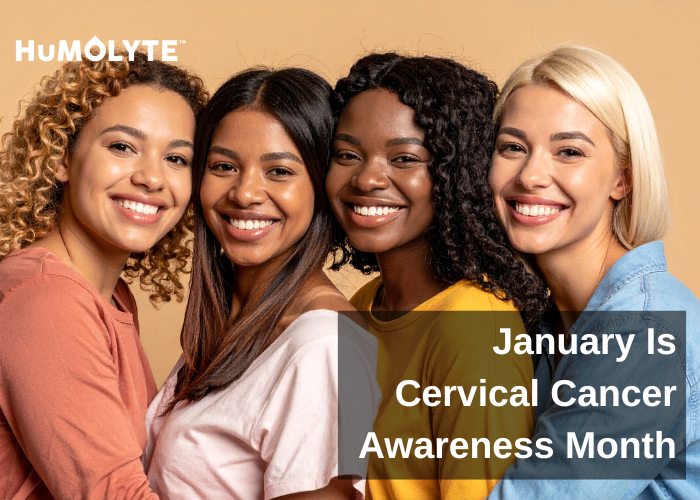
January isn’t just a fresh start for resolutions—it’s also Cervical Cancer Awareness Month, a time dedicated to education, prevention, and early detection.
Cervical cancer used to be one of the leading causes of cancer death for women in the United States. Thanks to Pap tests, HPV testing, and vaccines, those numbers have dropped dramatically. Yet thousands of people are still diagnosed each year, and many cases could be prevented with regular screening and vaccination.
This January, take a few minutes to understand your risk, update your screening plan, and share what you learn. It might change (or save) someone’s life.
What Is Cervical Cancer?
The cervix is the lower part of the uterus that connects to the vagina. Cervical cancer occurs when cells in the cervix grow abnormally and become cancerous.
Most cervical cancers are caused by persistent infection with high‑risk types of human papillomavirus (HPV)—a very common sexually transmitted virus. Many people will get HPV at some point, often with no symptoms at all. In most cases, the body clears the virus on its own. But when high‑risk HPV sticks around, it can cause abnormal cells that, over many years, may turn into cancer.
The key takeaway:
HPV is common. Cancer is not—if we screen and treat early changes in time.
Why Cervical Cancer Awareness Month Matters
Even with advances in screening and vaccination, cervical cancer still disproportionately affects people who:
Don’t have regular access to healthcare
Are uninsured or underinsured
Live in rural areas
Are from marginalized communities, including Black, Latina, Indigenous, and low‑income women
Awareness isn’t just about knowing terms like “Pap test” or “HPV.” It’s about:
Removing stigma around sexual health
Normalizing regular screening as part of basic healthcare
Advocating for access to vaccines and tests for everyone, regardless of income or zip code
By talking openly this month, you help make it easier for others to ask questions, book appointments, and seek care.
Pap Smear vs. HPV Test: What’s the Difference?
You’ll often hear about Pap tests (Pap smears) and HPV tests. They’re related—but not the same.
Pap Smear (Pap Test)
Looks at cells from your cervix under a microscope
Checks for abnormal or precancerous cells
Helps catch problems early, often before they become cancer
HPV Test
Looks for high‑risk HPV types that can cause cervical cancer
Can be done at the same time as a Pap test (called co‑testing)
A negative HPV test is reassuring that your risk of cervical cancer in the near term is low
Your provider might recommend:
Pap test alone
HPV test alone
Co‑testing (Pap + HPV together)
The right test and schedule depend on your age, health history, and previous results.
How Often Should You Get Screened?
Always follow your own provider’s advice, but general guidelines often look like this:
Under 21
Routine cervical cancer screening usually not recommended.
Ages 21–29
Pap test typically every 3 years, if results are normal.
Ages 30–65
Options often include:
HPV test alone every 5 years, or
Co‑testing (Pap + HPV) every 5 years, or
Pap test alone every 3 years
Over 65
You may be able to stop screening if you’ve had regular normal results and no history of serious cervical changes, based on your provider’s guidance.
You might need more frequent screening if:
You’ve had abnormal Pap or HPV results in the past
You’re living with HIV or another condition that weakens the immune system
You were exposed to DES (diethylstilbestrol) in the womb (less common in younger generations)
If it’s been more than 3–5 years since your last Pap or HPV test, January is the perfect time to call your provider and ask, “Am I due?”
What About the HPV Vaccine?
The HPV vaccine is one of the strongest tools we have to prevent cervical cancer and other HPV‑related cancers (such as some throat, anal, vulvar, vaginal, and penile cancers).
Key points:
Recommended for preteens (often around ages 11–12), but can be given as early as 9.
Catch‑up vaccination is often recommended up to at least age 26 if you weren’t vaccinated when younger.
Some adults between 27–45 may still benefit; this is a conversation to have with your provider about your personal risk and history.
Even if you’re vaccinated, you still need regular cervical cancer screening. The vaccine doesn’t protect against all cancer‑causing HPV types.
If you’re a parent or caregiver, Cervical Cancer Awareness Month is a great time to:
Check your child’s vaccination records
Schedule or ask about the HPV vaccine at their next visit
Learn how to talk about HPV in an age‑appropriate, stigma‑free way
Early Warning Signs: What to Watch For
Cervical precancer usually has no symptoms—that’s why screening is essential. As cervical cancer develops, possible symptoms can include:
Abnormal vaginal bleeding (between periods, after sex, or after menopause)
Unusual vaginal discharge
Pelvic pain or pain during sex
These symptoms can have many causes and do not automatically mean cancer. But they are always a sign to call your healthcare provider for evaluation.
Barriers to Screening—and How to Overcome Them
If you’ve been putting off a Pap or HPV test, you’re not alone. Common barriers include:
Fear or anxiety about the test
Embarrassment or discomfort discussing sexual health
Past negative experiences with providers
Cost, insurance, or transportation issues
Not having a regular gynecologist or primary care provider
Some ways to move forward this month:
Start with a conversation
Call a clinic and ask what to expect during a Pap or HPV test.
Request a provider of a particular gender if that makes you more comfortable.
Ask about cost and coverage
Many public health clinics, community health centers, and programs offer low‑cost or free cervical cancer screening for those who qualify.
Bring support
Ask a friend or partner to go with you to the appointment and wait in the lobby.
Advocate for your comfort
You can ask the clinician to explain each step, go slowly, or pause if you need a break.
Remember: Your comfort, consent, and dignity matter just as much as the test itself.
How to Take Action This January
Use Cervical Cancer Awareness Month as a simple, memorable deadline:
1. Check your screening status
When was your last Pap or HPV test?
Do you remember the results?
If you’re not sure, call your provider or clinic and ask them to check your record.
2. Schedule an appointment
If you’re due (or overdue), schedule your screening.
If you don’t have a provider, look for community health centers or women’s health clinics in your area.
3. Ask about the HPV vaccine
If you’re within the recommended age range and not fully vaccinated, ask your provider whether the HPV vaccine is right for you.
If you’re a parent, ask about HPV vaccination for your children during their next check‑up.
4. Share accurate information
Post about Cervical Cancer Awareness Month on your social media.
Talk to friends, family, and coworkers about scheduling their screenings.
Share resources from reputable medical and public health organizations.
5. Support organizations doing the work
Volunteer, donate, or amplify the voices of nonprofits focused on cervical cancer prevention, screening access, and health equity.
Sensitive Topics, Inclusive Care
Cervical cancer awareness is not just for cisgender women. Anyone who has a cervix—including some transgender men, nonbinary people, and intersex people—may need cervical cancer screening.
Inclusive care means:
Using respectful, gender‑affirming language
Asking, not assuming, about anatomy and screening needs
Recognizing the additional barriers and discrimination some people face in healthcare settings
If you’ve had negative experiences, you still deserve care that feels safe, respectful, and trauma‑informed. When calling a new clinic, you can ask directly:
“Do you have experience serving LGBTQ+ patients?”
“Are your staff trained in trauma‑informed care?”
You deserve a team that answers “yes”—and means it.
Bringing It All Together
Cervical cancer develops slowly. That’s the one silver lining: we have time and tools to prevent it, detect it early, and treat it effectively.
This January, during Cervical Cancer Awareness Month, commit to:
Knowing your screening schedule
Asking about the HPV vaccine for yourself or your children
Speaking openly about cervical health
Encouraging at least one other person to get screened
Small actions add up. One phone call. One appointment. One honest conversation. That’s how lives are saved—quietly, consistently, year after year.
For more information on how HuMOLYTE can support your gut health during chemotherapy, visit our product page or consult your health care provider.
This blog was reviewed by Dr. Sourabh Kharait.
This blog is for educational purposes only and is not intended as medical advice. Always consult with your healthcare provider before making any changes to your treatment plan, hydration strategies, or diet. The information provided here is based on general insights and may not apply to individual circumstances.
