
June Cancer Awareness Campaigns: A Month to Honor Survivors, Support Families, and Share Hope
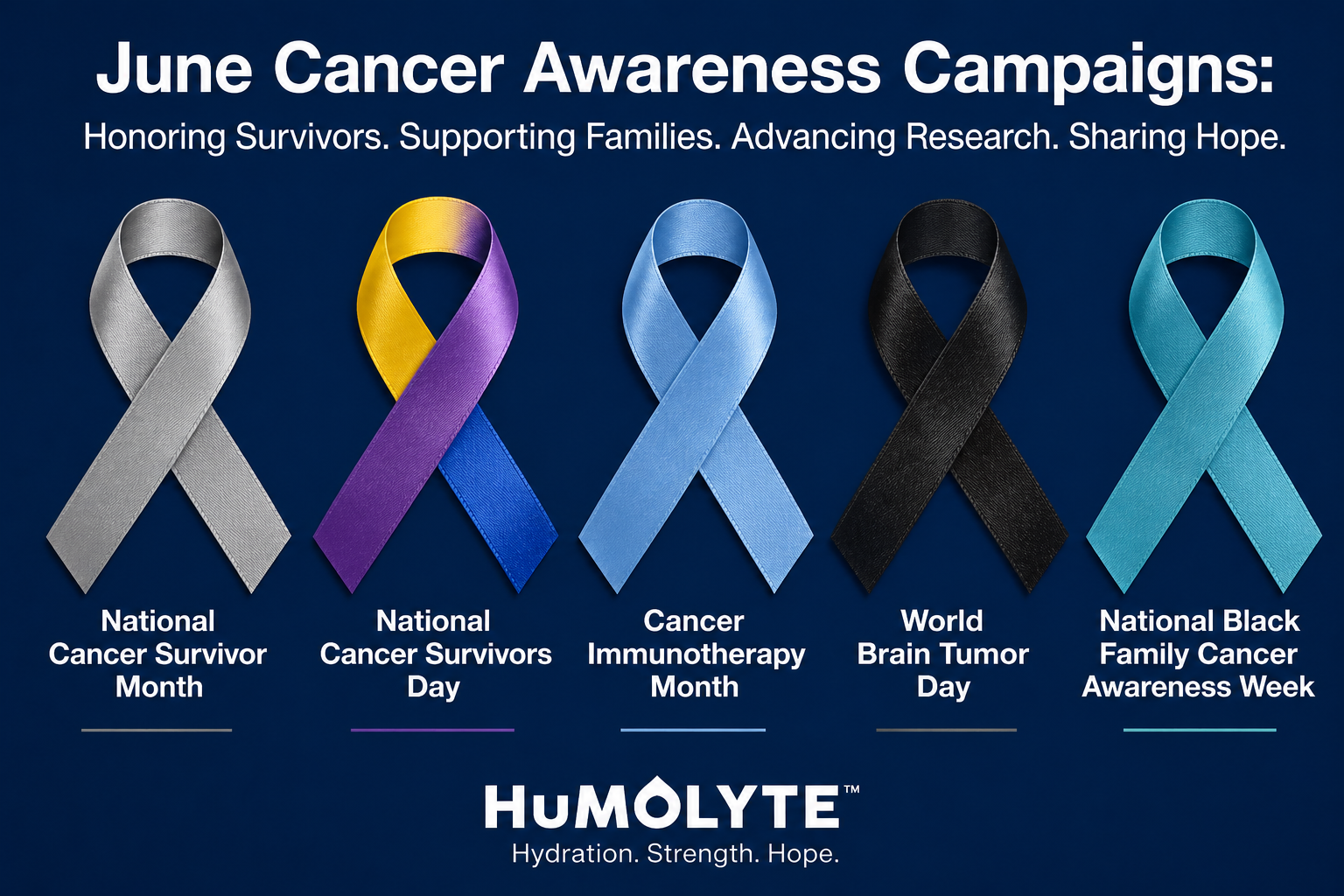
June is an important month in the cancer community. While some months focus on one specific cancer type, June brings attention to several powerful cancer awareness campaigns. These campaigns honor survivors, support families, raise awareness about treatment advances, and remind us that no one should face cancer alone.
For cancer patients and caregivers, June can be a time to reflect, connect, and learn. It is also a reminder that survivorship is not just about finishing treatment. Survivorship can include physical healing, emotional health, follow-up care, financial stress, fear of recurrence, and finding a “new normal.”
Below are some of the major cancer awareness campaigns recognized in June.
National Cancer Survivor Month
June is National Cancer Survivor Month, a time to honor people who are living with, through, and beyond cancer. The National Cancer Institute recognizes June as a month to celebrate the more than 18 million cancer survivors in the United States and to recognize the work being done to improve life for survivors and caregivers.
A cancer survivor is often described as anyone who has been diagnosed with cancer, from the time of diagnosis through the rest of life. This means survivorship can begin on day one, not only after treatment ends.
For many people, survivorship includes:
Managing side effects from treatment
Going to follow-up appointments and scans
Coping with anxiety or fear that cancer may return
Rebuilding strength and energy
Talking with family about changing needs
Finding support for work, finances, and daily life
National Cancer Survivor Month is a chance to celebrate strength, but it is also a time to talk honestly about the challenges that can come after a diagnosis.
National Cancer Survivors Day
National Cancer Survivors Day is observed on the first Sunday in June. In 2026, it falls on Sunday, June 7. The day is described as a celebration for survivors, an inspiration for those recently diagnosed, a gathering of support for families, and an outreach to the community.
This day can mean different things to different people. Some survivors may want to attend a community event. Others may prefer a quiet day with loved ones. Some may not feel like celebrating, and that is okay too.
Ways to honor National Cancer Survivors Day include:
Sending a card or message to someone affected by cancer
Sharing a survivor story, with permission
Thanking a caregiver, nurse, doctor, or support person
Joining a local cancer center or community event
Taking time for rest, reflection, or prayer
Scheduling a needed follow-up appointment
The goal is not to tell people how they should feel. The goal is to recognize that every cancer journey matters.
Cancer Immunotherapy Month
June is also recognized as Cancer Immunotherapy Month. This campaign raises awareness about immunotherapy, a type of cancer treatment that helps the immune system recognize and fight cancer. The Cancer Research Institute hosts Cancer Immunotherapy Month to help educate the public about the potential of immunotherapy.
Immunotherapy is not used for every cancer, and it does not work the same way for every person. But for some patients, it has become an important treatment option. Immunotherapy may be used alone or with other treatments, such as chemotherapy, radiation, surgery, or targeted therapy.
Patients and caregivers can use Cancer Immunotherapy Month as a chance to ask their care team questions such as:
Is immunotherapy an option for my type of cancer?
What tests are needed to see if I may benefit?
What side effects should I watch for?
How is immunotherapy different from chemotherapy?
Are there clinical trials that may be appropriate?
It is always best to talk with an oncology team before making treatment decisions. Cancer treatment is personal, and what works for one person may not be right for another.
World Brain Tumor Day
World Brain Tumor Day is observed each year on June 8. It was started by the German Brain Tumor Association in 2000 as a way to honor brain tumor patients and families and raise global awareness.
Brain tumors can be cancerous or non-cancerous, but both can cause serious health problems depending on where they are located in the brain. Symptoms may vary, and they can sometimes look like other health issues.
Possible symptoms may include:
Headaches that are new or getting worse
Seizures
Vision or hearing changes
Problems with balance
Memory or personality changes
Weakness or numbness
Nausea or vomiting without a clear cause
These symptoms do not always mean someone has a brain tumor. But new, severe, or worsening symptoms should be discussed with a medical professional.
World Brain Tumor Day is also a time to support caregivers. Caring for someone with a brain tumor can be emotionally and physically demanding. Families may need help with transportation, meals, medication schedules, communication, and daily activities.
National Black Family Cancer Awareness Week
June also includes National Black Family Cancer Awareness Week, an initiative from the U.S. Food and Drug Administration’s Oncology Center of Excellence. The campaign began to encourage cancer awareness, family health conversations, and greater participation in cancer clinical trials among Black families and communities. The campaign is from June 15-21.
This campaign is important because cancer does not affect all communities equally. Many Black patients face barriers to prevention, screening, diagnosis, treatment, clinical trial access, and survivorship care. These barriers can include lack of access to care, medical mistrust, financial stress, transportation challenges, and unequal treatment.
Families can use this awareness week to start important conversations, such as:
What cancers have affected our family?
Are we up to date on recommended screenings?
Do we know our family health history?
Have we asked about genetic counseling when appropriate?
Are clinical trials available for our diagnosis?
Do we feel heard and respected by our care team?
Talking about cancer can be hard. But family conversations can help people better understand risk, screening, and prevention.
Why June Awareness Campaigns Matter
Cancer awareness months and days are not just dates on a calendar. They help bring attention to real needs in the cancer community.
For patients, these campaigns can offer education and support. For caregivers, they can provide tools and recognition. For survivors, they can create space to celebrate progress while also acknowledging ongoing challenges. For the wider community, they are a reminder to listen, learn, donate, volunteer, and show up.
June’s cancer awareness campaigns also highlight a powerful message: cancer care does not end when treatment ends. Survivorship care, emotional support, research, family education, and equal access to treatment all matter.
How to Get Involved in June
You do not have to make a large donation or organize a major event to make a difference. Small acts of support can mean a lot.
Here are a few simple ways to participate:
Wear a cancer awareness ribbon or share an educational post.
Check in on a survivor or caregiver.
Offer a ride to treatment or a follow-up visit.
Donate to a trusted cancer organization.
Ask your doctor about age-appropriate cancer screenings.
Learn about clinical trials.
Share reliable cancer information with your community.
Give yourself permission to rest if you are the patient or caregiver.
Cancer awareness is about more than information. It is about compassion, action, and hope.
Final Thoughts
June is a meaningful month for the cancer community. National Cancer Survivor Month, National Cancer Survivors Day, Cancer Immunotherapy Month, World Brain Tumor Day, and National Black Family Cancer Awareness Week each shine a light on different parts of the cancer experience.
Whether you are newly diagnosed, in treatment, in remission, living with cancer as a chronic condition, or caring for someone you love, your story matters. This month is a reminder that support is available, research is moving forward, and every step in the cancer journey deserves care and respect.
For more information on how HuMOLYTE can support your gut health during chemotherapy, visit our product page or consult your health care provider.
This blog was reviewed by Dr. Sourabh Kharait.
This blog is for educational purposes only and is not intended as medical advice. Always consult with your healthcare provider before making any changes to your treatment plan, hydration strategies, or diet. The information provided here is based on general insights and may not apply to individual circumstances.
