
Blog

Chemotherapy May Age Breast Cancer Survivors Faster, Costing a Modeled 9.4 Years of Life
A new simulation study estimates that breast cancer survivors who received stronger, anthracycline-based chemotherapy could lose a median 9.4 years of life to faster biological aging — while still gaining better protection against the cancer itself. Here is what the model found, and what it cannot prove.

Eating Before Chemo Was Linked to Less Vomiting in a Study of 1,582 Women
In a study of 1,582 women, eating something before a chemotherapy infusion was linked to less vomiting — and, on one regimen, less nausea — especially in the first 24 hours. Here is what the study found, and what it cannot prove.

Chemo Nerve Damage Follows Four Different Paths in GI Cancers, a New Study Finds
A study of 233 GI cancer patients found chemo nerve damage follows four distinct paths — and nearly half of patients worsened or stayed severe. Here is what was linked to each path, and what to watch for.

A Gentle Chair Exercise Eased Fatigue and Poor Sleep in Advanced Cancer, a New Trial Finds
A randomized trial of 210 people with advanced cancer tested a gentle exercise done sitting in a chair — four slow movements, 15 to 20 minutes a session. Fatigue and poor sleep eased during the 12-week program and stayed better a month later. Here is what the study found, and what it cannot tell us yet.

Starting Nutrition Supplements on Day One of Chemoradiation Cut Major Weight Loss in a New Trial
A randomized trial in JAMA Oncology found that starting nutrition supplements on day one of chemoradiation — instead of waiting until eating dropped — cut major weight loss from 80.7% to 65.4% and roughly halved severe mouth sores.

Fasting During Chemo? A Review of 6 Trials Found No Clear Benefit
A new review pooled all 6 trials of fasting during chemotherapy — 268 patients — and found no clear benefit for blood counts, quality of life, or side effects, and no clear harm. Here is what patients should know before skipping meals during treatment.

New Drug Zoci Shrank Tumors in 4 of 10 Patients With a Hard-to-Treat Neuroendocrine Cancer
For extrapulmonary neuroendocrine carcinoma that has grown through platinum chemotherapy, there is no standard next treatment. At NANETS 2026, the DLL3-targeted drug zoci shrank tumors in 40% of patients, with responses lasting a median of 5.6 months and fewer than 1% stopping for side effects. What the early data show — and what they don't.

7 in 10 Digestive Cancer Patients Were Already Malnourished — and the Support Program Built to Help Fell Short
A French cancer center scored digestive cancer patients for nutritional frailty and built them a dietitian, exercise, and palliative care pathway. A new study reports 71% were malnourished before treatment — and fewer than half finished the support program.

Acupuncture Combos Ranked Best for Cancer Fatigue in a 49-Trial Analysis
A network meta-analysis of 49 randomized trials ranked 14 acupuncture-style external therapies for cancer-related fatigue. A needle-plus-herbal-patch combo came first and an ear-based combo second — with honest caveats about small trials and rankings.

Ear Seeds for Chemo Nerve Pain: Daily Life Improved Most With In-Person Help in a New Trial
A randomized trial of 227 cancer survivors tested ear seeds — tiny taped seeds pressed on the ear — for chemo nerve pain. Daily-life interference improved most with in-person placement, but the pain benefit faded and researchers call the results preliminary.

The Tray Comes Back Half-Full: Hospitalized Cancer Patients Miss Up to 1,000 Calories a Day
A new study of 77 hospitalized patients with cancer found they fell short by a median of 867 to 1,012 calories a day — and the blockers were symptoms like appetite loss, dry mouth, and taste changes, not the menu. What the findings mean, and what to ask the care team.
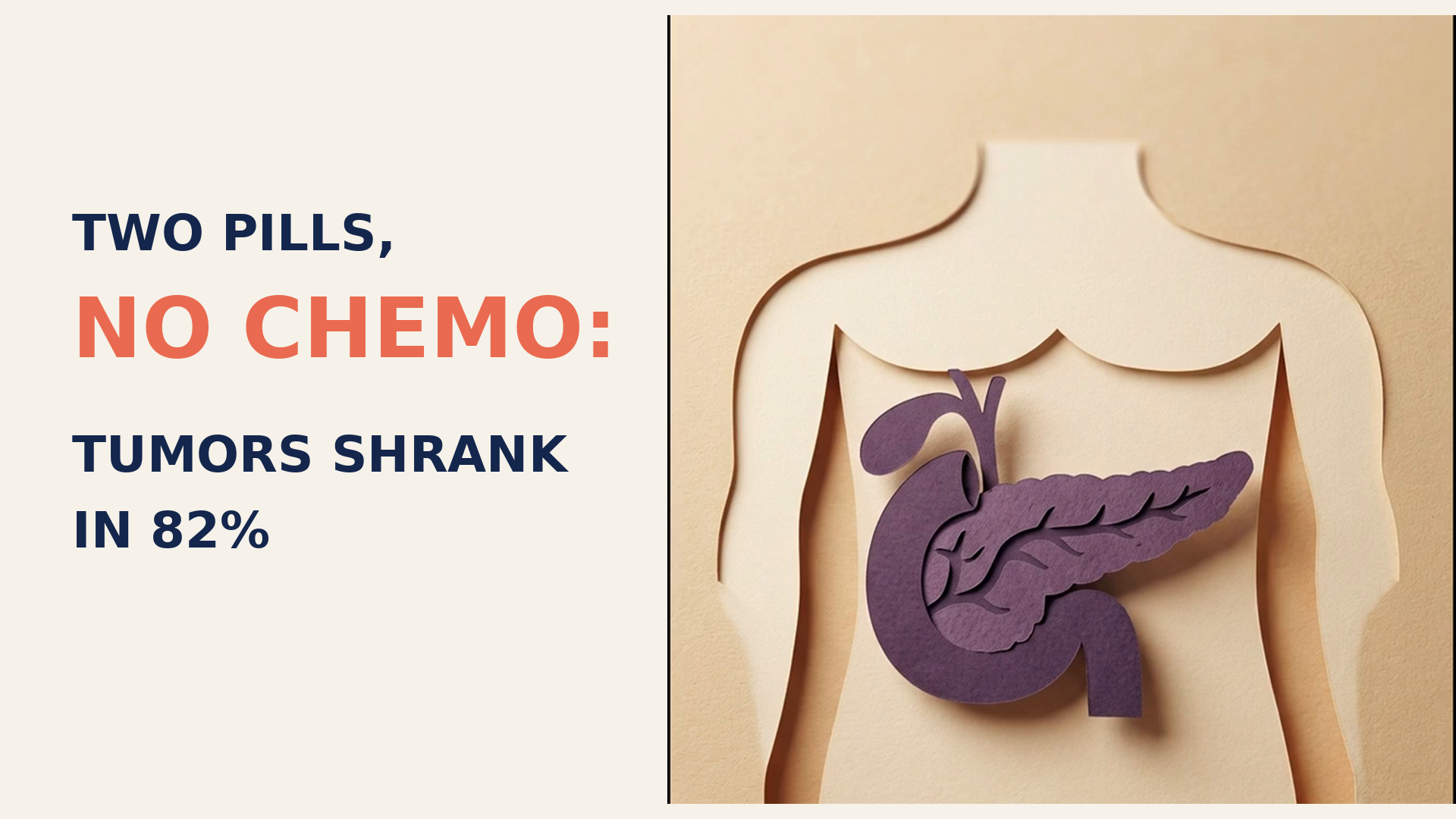
Two Pills, No Chemo: Tumors Shrank in 82% of Pancreatic Cancer Patients in an Early Trial
In an early trial presented at ESMO 2026, two once-daily pills — vopimetostat and daraxonrasib — shrank tumors in 82% of patients with a genetic subtype of advanced pancreatic cancer, most on their third line of therapy. What the results mean, the side effects, and the Phase 3 test that comes next.
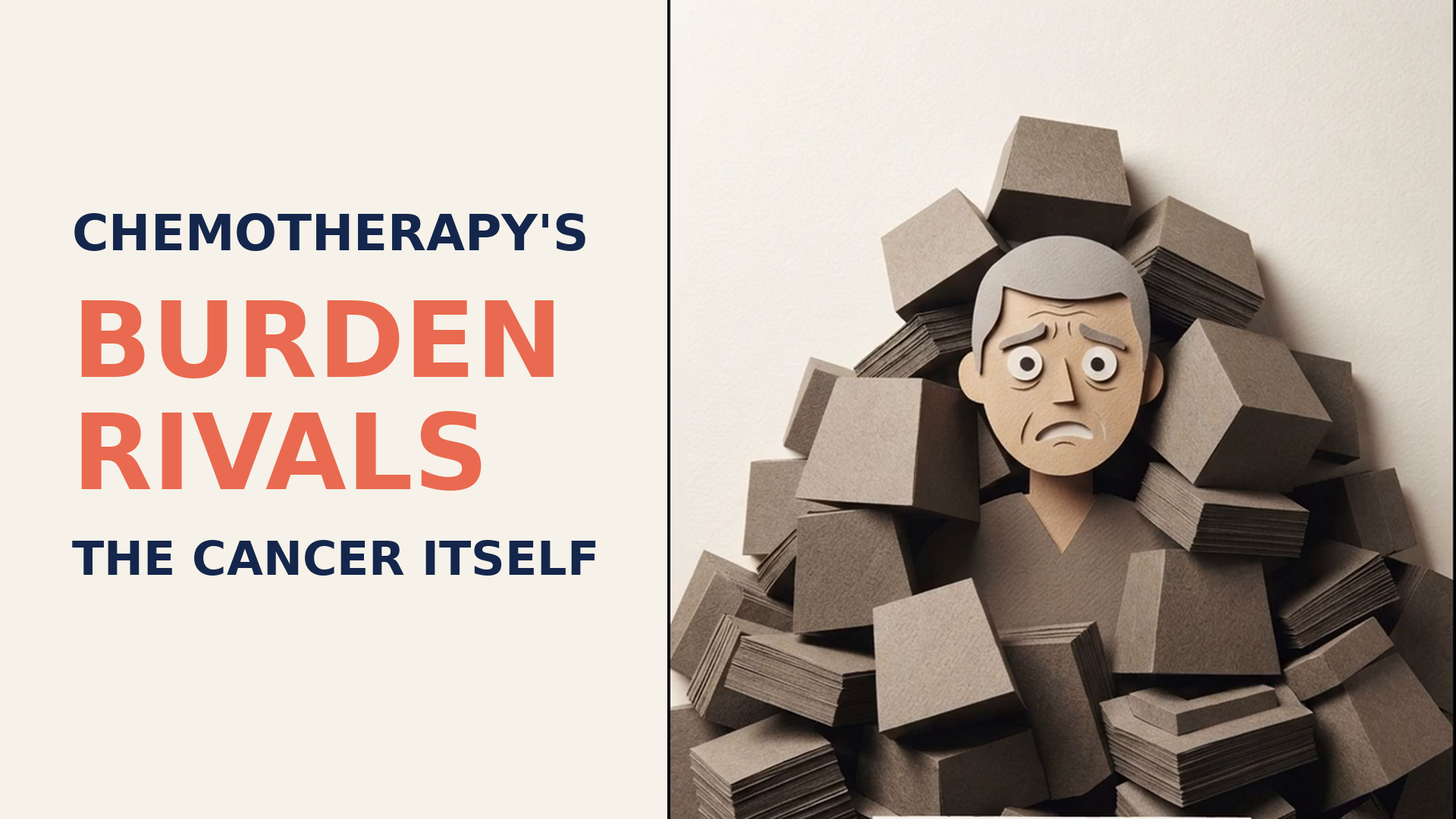
Chemotherapy's Burden Rivals the Cancer Itself: 119 Patients Speak Out
A survey of 119 U.S. endometrial cancer patients, presented at ESMO 2026, found 70% felt the burden of chemotherapy was almost as much as the burden of the cancer itself — fatigue 93%, nausea 82%, muscle cramps 76%, and 59% who felt unprepared. Here is what patients reported, in plain language, and how to prepare.

Your Gut Bacteria May Predict Chemo Side Effects: What a Landmark Mayo Clinic Study Found
A Mayo Clinic study of 1,364 cancer patients, published in the journal Cell, found that gut bacteria are linked to five cancer groups, to survival, and even to who develops diarrhea from the chemotherapy drug 5-FU. Here is what the research means for patients and caregivers, in plain language.

FDA Approves Immunotherapy Plus Chemotherapy for Stage III Colon Cancer: What Patients Need to Know
On October 8, 2026, the FDA approved atezolizumab (Tecentriq) plus chemotherapy after surgery for stage III colon cancer with deficient mismatch repair (dMMR). In the ATOMIC trial, the combination cut the risk of the cancer coming back or death by 50%. Here is what the news means for patients and caregivers, in plain language.