
The “Breaking Bad Effect”: When Cancer Changes More Than the Body
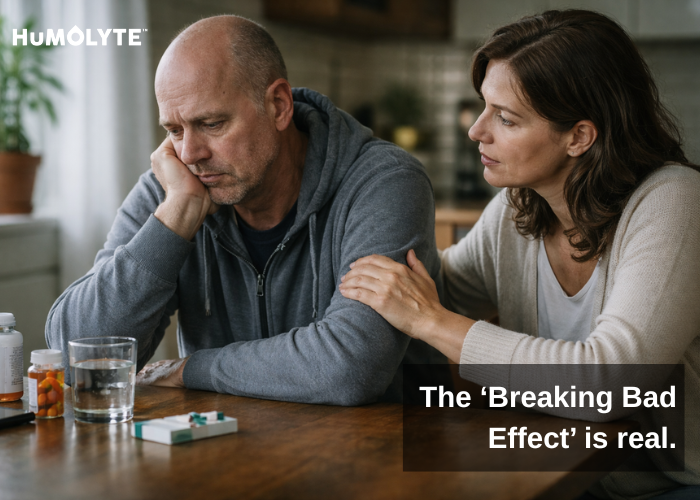
When we think about cancer, we think about tumors, treatments, fatigue, nausea, and pain. But new research highlighted by ScienceAlert suggests that cancer may also influence something less visible: personality and behavior.
Researchers have found evidence that certain cancers may directly affect the brain through inflammation and biochemical signaling. This phenomenon—sometimes referred to as the “Breaking Bad effect,” inspired by the transformation of a cancer patient in the television series—suggests that cancer itself may contribute to mood shifts, impulsivity, and even changes in moral decision-making.
For caregivers and patients, this information can be both startling and validating. Behavioral changes may not simply be a reaction to stress. In some cases, they may have a biological component.
How Cancer Can Influence the Brain
Cancer does not exist in isolation. Tumors can release inflammatory molecules called cytokines, which travel through the body and can affect brain function. Chronic inflammation has long been associated with depression, anxiety, and cognitive changes.
Researchers are now exploring how these inflammatory signals may:
Alter neurotransmitter levels
Affect impulse control
Increase irritability or aggression
Contribute to depressive symptoms
Change risk-taking behavior
This does not mean that everyone with cancer will experience dramatic personality changes. However, it does reinforce what many caregivers quietly observe: “This doesn’t feel like the same person.”
Understanding that there may be a biological explanation can reduce shame and blame on both sides.
Mood Changes Are Not a Character Flaw
Many patients report feeling:
More irritable
Emotionally numb
Unusually anxious
Depressed
Less patient with loved ones
More impulsive than before
Caregivers may notice sudden anger, withdrawal, or uncharacteristic decisions. These shifts can strain relationships at an already fragile time.
It is critical to remember: mood and personality changes during cancer are not signs of weakness or moral failure. They may reflect complex interactions between the immune system, the brain, stress, medications, and the cancer itself.
The Caregiver’s Dilemma
Caregivers often struggle silently. You may feel hurt, confused, or even resentful when your loved one behaves in ways that feel unfamiliar or harsh. At the same time, guilt may prevent you from speaking up.
Recognizing the potential biological component of behavioral change can create space for compassion—both for the patient and for yourself.
You are not imagining the change. And you are not wrong for feeling its impact.
What Patients Can Do
If you are experiencing mood or personality changes:
Tell your oncologist. Behavioral changes are medical information.
Ask about inflammation, medication side effects, and mental health support.
Consider counseling or psycho-oncology services.
Track mood changes to identify patterns.
Involve trusted family members in conversations about what you are noticing.
Mental health care during cancer treatment is not optional. It is part of whole-person care.
What Caregivers Can Do
If you are supporting someone through cancer:
Document behavioral changes with dates and examples.
Attend medical appointments when possible.
Encourage open conversations without accusation.
Seek caregiver support groups.
Protect your own mental health through counseling or respite care.
You are not required to absorb emotional fallout alone.
A New Layer of Understanding
The idea that cancer itself may influence behavior challenges how we think about illness. It reminds us that the mind and body are not separate systems. They are deeply interconnected.
For families, this research offers something powerful: perspective.
Not every harsh word is intentional.
Not every mood swing is a choice.
Not every change in personality reflects who someone truly is.
Sometimes, biology is at work behind the scenes.
The more we understand this, the more we can respond with empathy instead of judgment—and with medical intervention instead of silence.
Final Thoughts
Cancer is more than a physical diagnosis. It is a whole-body experience that can ripple into emotions, cognition, and relationships.
If you or someone you love is navigating unexpected behavioral changes during cancer, speak up. These symptoms deserve attention just as much as pain or fatigue.
Compassion, communication, and medical support can help families move through this difficult terrain together.
Reference
For more information on how HuMOLYTE can support your gut health during chemotherapy, visit our product page or consult your health care provider.
This blog was reviewed by Dr. Sourabh Kharait.
This blog is for educational purposes only and is not intended as medical advice. Always consult with your healthcare provider before making any changes to your treatment plan, hydration strategies, or diet. The information provided here is based on general insights and may not apply to individual circumstances.
