
January Firefighter Cancer Awareness Month — Understanding Risks, Supporting Survivors
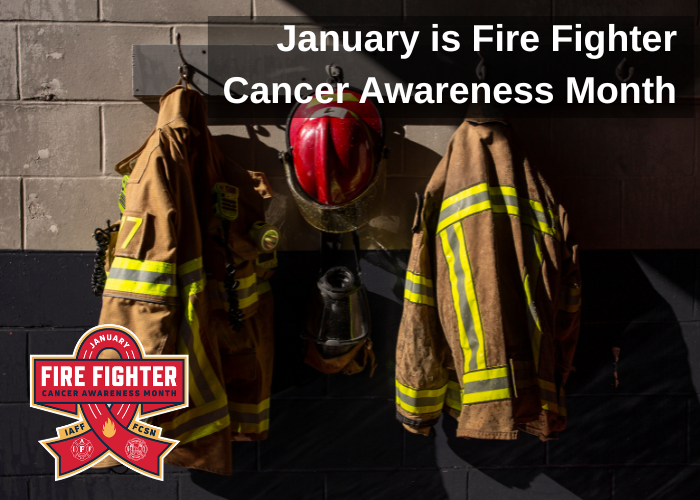
Every January, the fire service, survivors, families, and supporters recognize Firefighter Cancer Awareness Month, an observance aimed at shining a spotlight on the cancer risks firefighters face and empowering them with knowledge, tools, and support.
Firefighters commit their lives to protecting communities — rushing into blazing structures, facing smoke and extreme heat, and confronting dangerous hazardous materials. But beyond the immediate dangers, many firefighters face a silent, long-term threat: occupational cancer. Evidence from firefighter health organizations shows that cancer — largely due to toxic exposures on the job — has become the leading cause of line-of-duty deaths in the fire service.
Why January Matters
Organizations such as the International Association of Fire Fighters (IAFF), in partnership with the Firefighter Cancer Support Network (FCSN), have designated January as Firefighter Cancer Awareness Month. This month focuses on raising public and firefighter awareness about occupational cancer and providing resources to support prevention, early detection, and survivorship.
Throughout January, resources, factsheets, training briefs, survivor stories, and educational campaigns are shared to:
Highlight the scope of the problem — explaining how repeated exposure to carcinogens (from burning materials, toxic smoke, flashovers, and contaminated gear) contributes to elevated cancer risk.
Promote best practices in prevention — emphasizing routine decontamination of gear, minimizing exposure after fireground work, and following evidence-based safety protocols.
Encourage early detection and screening — as early diagnosis often leads to better treatment outcomes; and
Support leadership, culture change, and survivor wellbeing throughout a firefighter’s career and beyond.
For Caretakers and Cancer Patients
If you are caring for a firefighter or are a survivor yourself, this month can be both emotional and pivotal. Use this time to:
Educate yourself about occupational risk factors — understanding what contributes to firefighter cancer helps in advocating for safer work practices and protective policies;
Connect with support networks — many firefighter cancer support organizations provide mentoring, counseling, and peer support for patients and their families; Firefighter Cancer Support Network
Participate in relevant awareness events — from safety stand-downs to survivor discussions, these can offer community, shared experiences, and practical advice; and
Explore prevention and wellness resources — including information about lifestyle changes, early screening, and rehabilitation strategies.
A Call to Broader Support
Firefighter Cancer Awareness Month also encourages broader community engagement. Public support — including awareness, advocacy for better protective legislation, and support for research — contributes to safer work environments and stronger health protections for firefighters and their families.
Each January represents an opportunity not only to honor courage at the fireground but also to champion health, resilience, and hope for those affected by occupational cancers.
For more information on how HuMOLYTE can support your gut health during chemotherapy, visit our product page or consult your health care provider.
This blog was reviewed by Dr. Sourabh Kharait.
This blog is for educational purposes only and is not intended as medical advice. Always consult with your healthcare provider before making any changes to your treatment plan, hydration strategies, or diet. The information provided here is based on general insights and may not apply to individual circumstances.
