
Walking Through Fatigue: Why Simple Movement Matters During and After Cancer Treatment
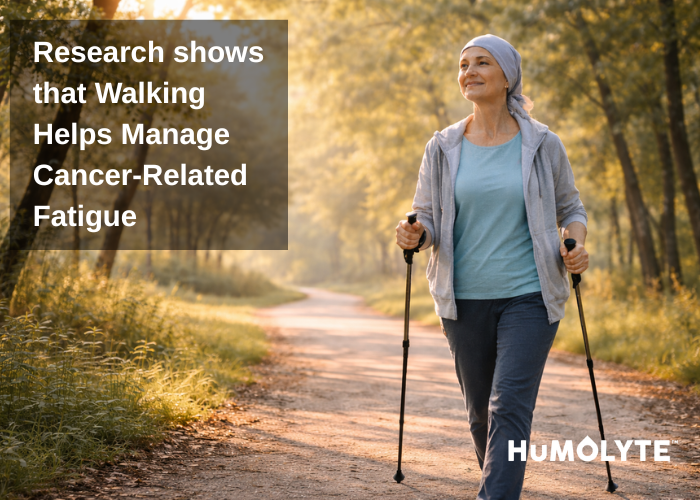
For many people diagnosed with cancer, fatigue is one of the most persistent and life-altering symptoms. Unlike ordinary tiredness, cancer-related fatigue does not always improve with rest and can affect physical strength, emotional well-being, and daily functioning. Caregivers often witness how deeply this exhaustion impacts their loved ones, sometimes long after treatment has ended.
Emerging research is offering encouraging news: gentle, consistent physical activity—especially walking—may significantly help manage cancer-related fatigue.
What the Research Is Telling Us
A large longitudinal study involving more than 1,700 people with colorectal cancer followed participants from diagnosis through two years of survivorship. Researchers examined how different levels of physical activity influenced fatigue and overall quality of life over time. The findings were clear and hopeful.
Walking stood out as the most consistent and beneficial form of activity for reducing fatigue, particularly in people with non-metastatic colorectal cancer. The strongest improvements were seen during the first year after diagnosis, a time when many patients are navigating treatment side effects and recovery. Importantly, physical activity reported around 12 months after diagnosis was a strong predictor of lower fatigue and better quality of life later on, suggesting a critical window for long-term benefit .
More intense activities, such as moderate or vigorous exercise, also showed benefits, but these tended to emerge later in survivorship. For many patients, walking may feel more realistic and achievable during treatment and early recovery.
Why Walking Makes a Difference
Walking is accessible, low-risk, and adaptable to different energy levels. It does not require special equipment or gym memberships, and it can be adjusted day by day. For someone experiencing cancer-related fatigue, this matters.
According to guidance highlighted by oncology experts, even short, regular walks can help regulate energy levels, improve mood, and support physical recovery. Walking can also help patients reconnect with their bodies in a gentle, empowering way, rather than feeling pressured to “push through” exhaustion.
What This Means for Patients and Caregivers
For patients, this research reinforces an important message: movement does not have to be intense to be meaningful. A slow walk around the block, through a park, or even indoors can contribute to improved well-being.
For caregivers, walking can become a shared activity—an opportunity for connection, encouragement, and emotional support. Offering to walk together can feel less daunting than suggesting structured exercise and may help patients feel less alone in their recovery.
A Gentle Step Forward
Cancer-related fatigue is complex, and no single approach works for everyone. Still, the growing body of evidence suggests that walking is a powerful, practical tool that deserves a place in survivorship care. As always, patients should talk with their healthcare team before starting or changing physical activity, especially during treatment.
Sometimes, the path toward healing really does begin with one step at a time.
Reference
For more information on how HuMOLYTE can support your gut health during chemotherapy, visit our product page or consult your health care provider.
This blog was reviewed by Dr. Sourabh Kharait.
This blog is for educational purposes only and is not intended as medical advice. Always consult with your healthcare provider before making any changes to your treatment plan, hydration strategies, or diet. The information provided here is based on general insights and may not apply to individual circumstances.
