
Blog

October is Breast & Liver Cancer Awareness Month
October shines a light on breast cancer, metastatic breast cancer, and liver cancer. For patients and caregivers, it’s a time to focus on early detection, support, and advocacy.

Mouth Microbes and Pancreatic Cancer: What Caregivers and Patients Should Know
A new study has found that certain bacteria and fungi in the mouth may be linked to a higher chance of developing pancreatic cancer. Researchers discovered that people with certain oral microbes were more likely to develop the disease, suggesting that a simple mouth swab could one day help with earlier detection. While this research is still in its early stages, it offers hope for new screening tools and reminds us of the importance of everyday oral health.

Slowing Down and Finding Strength — Lonnie’s Prostate Cancer Journey
When Lonnie was diagnosed with stage four metastatic prostate cancer at 54, he faced fear, pain, and overwhelming decisions. Seven years later, he shares what kept him moving forward: slowing down, learning, and caring for his mental health. His message is especially powerful this September, during Prostate Cancer Awareness Month.

GLP-1 Agonists and Breast Cancer: What Patients Should Know
GLP-1 agonists, widely prescribed for diabetes and weight loss, do not appear to increase breast cancer risk according to large studies. In fact, by supporting weight loss and better diabetes control, they may even help improve outcomes for breast cancer patients.

IGH Naturals Announces Beginning of Enrollment For An Approved Clinical Trial to Evaluate A Novel Oral Solution for Chemotherapy-Related Side Effects
IGH Naturals has announced the start of patient enrollment in a clinical trial evaluating Humolyte®, a novel oral solution designed to ease chemotherapy-related side effects such as diarrhea, vomiting, and painful mouth sores. Conducted at multiple clinical sites in India, the approved study will assess Humolyte’s potential to improve hydration, reduce the severity of oral mucositis, and lessen the need for IV fluids—ultimately aiming to enhance comfort and quality of life for cancer patients.

Navigating Loss of Libido After Breast Cancer
Loss of libido is a common yet rarely discussed side effect of breast cancer treatment. Up to 80% of patients experience changes in sexual desire, intimacy, or comfort. This article explores why it happens, how to talk about it with your partner and doctor, and what resources can help you reclaim intimacy on your terms.

HuMOLYTE Wins Pitch Elk Grove 2025: A Breakthrough for Cancer Patients
HuMOLYTE, a hydration solution designed for chemotherapy patients, won first place at Pitch Elk Grove 2025. More than a business win, this milestone highlights new hope for patients and caregivers managing the side effects of cancer treatment.
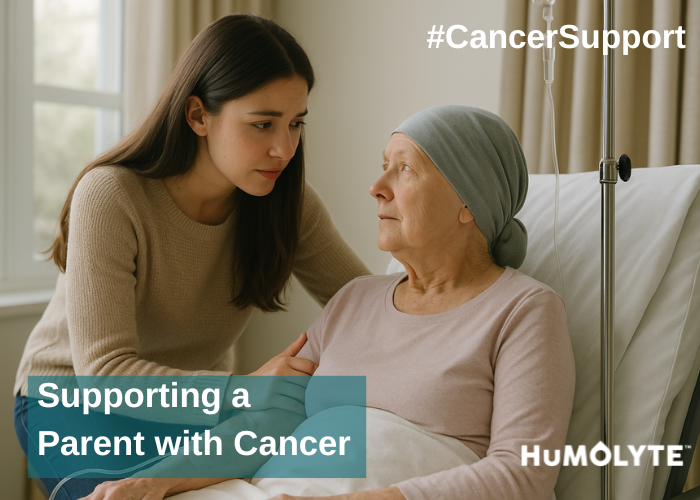
Supporting a Parent Through Cancer While Caring for Yourself
Young adults caring for a parent with cancer face unique emotional, financial, and social challenges. Recognizing overwhelming emotions, prioritizing self-care, and seeking supportive resources can transform caregiving into a journey of growth, resilience, and purpose.

MSU study finds shampoo-like gel may help prevent chemo-related hair loss
A Michigan State University team has engineered a temperature-responsive, shampoo-like hydrogel designed to briefly narrow tiny scalp blood vessels so less chemotherapy reaches hair follicles. Early animal data suggest the approach may help preserve hair, but human trials have not yet begun.
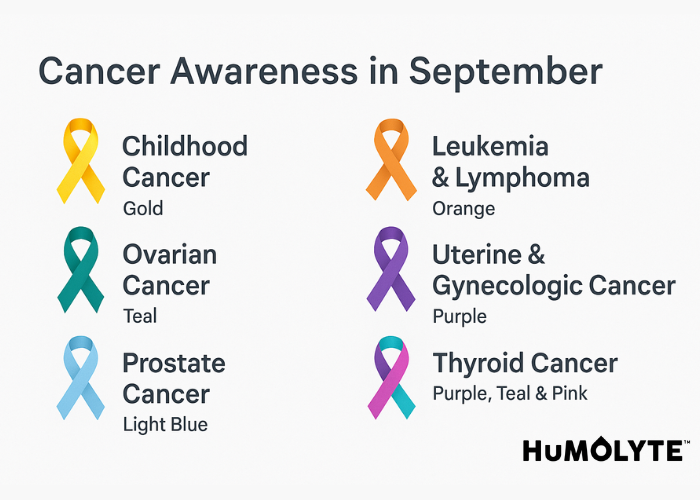
Cancer Awareness in September: A Month of Many Voices
September is one of the most powerful months for cancer awareness, honoring childhood, ovarian, prostate, thyroid, blood, and gynecologic cancers. Each ribbon tells a story, each campaign sparks conversation, and together they create a movement for education, early detection, and support.

Stage 4 Is Not the End: Alli’s Story of Appendix Cancer, Hope, and Healing
When Alli Macken was diagnosed with stage 4 appendix cancer, she feared the worst. Nine years, multiple surgeries, and countless treatments later, she’s here to remind others: stage 4 is not a death sentence. This August, during Appendix Cancer Awareness Month, her story is a beacon of hope.

Acne During Breast Cancer Treatment: Causes, Prevention, and Safe Management
Acne during breast cancer treatment is more common than you may think. Learn why it happens, how steroids and other medications play a role, and safe ways to manage skin changes while protecting your overall health.

Study Shows Chemo Mouthpiece® Reduces Oral Pain and Opioid Use During Chemotherapy
Chemotherapy-induced oral mucositis can make even the simplest tasks—eating, speaking, or swallowing—agonizing. A groundbreaking new clinical trial of the FDA‑cleared Chemo Mouthpiece®, an innovative reusable intraoral cryotherapy device, demonstrated a 46% reduction in oral pain and a 68% drop in opioid or analgesic use compared to standard care. Safe, patient-preferred, and easy to use both in-clinic and at home, this device offers new hope for improving comfort and quality of life during cancer treatment.

What You Eat Matters—But Maybe Not the Way You Think: New Study Looks at Protein and Cancer Risk
A recent study of over 15,000 U.S. adults found no harmful link between eating protein—whether from animals or plants—and the risk of dying from cancer or other major diseases. In fact, animal protein may offer a small protective benefit against cancer. This new research challenges past fears about protein and offers helpful guidance for cancer patients and caregivers focused on healing through nutrition.

Can Broccoli Help Prevent Colon Cancer? Here's What the Science Says
Cruciferous vegetables like broccoli, cabbage, and Brussels sprouts aren’t just healthy—they may help protect against colon cancer. A recent study reviewing nearly 100,000 cases found that even small daily servings can lower risk. Learn what the research says and how to add these powerful foods to your meals.

When a Virus Awakens Hidden Cancer Cells: What You Should Know
A new study reveals that viruses like the flu and COVID-19 may “wake up” hidden breast cancer cells in the lungs, possibly leading to cancer growth or recurrence. This discovery highlights the importance of protecting your immune system—even after treatment. Here's what every patient and caregiver should know.

Chemo Curls: What to Expect When Your Hair Grows Back
After chemotherapy, many cancer patients are surprised to see their hair grow back in curly—often called “chemo curls.” This gentle guide explains why it happens, how long it might last, and how to care for your new hair as it grows back. Whether the curls stay or eventually fade, they are a sign of healing and strength.

Could the Gut Microbiome Shield Breast Cancer Survivors’ Hearts During Chemotherapy?
Emerging evidence suggests the gut microbiome may be more than a digestive health player—it could be a lifeline for the hearts of breast cancer patients undergoing chemotherapy. A European pilot study links certain gut bacteria to higher risks of cardiotoxicity, hinting at a future where personalized probiotics help safeguard heart health without compromising cancer treatment.
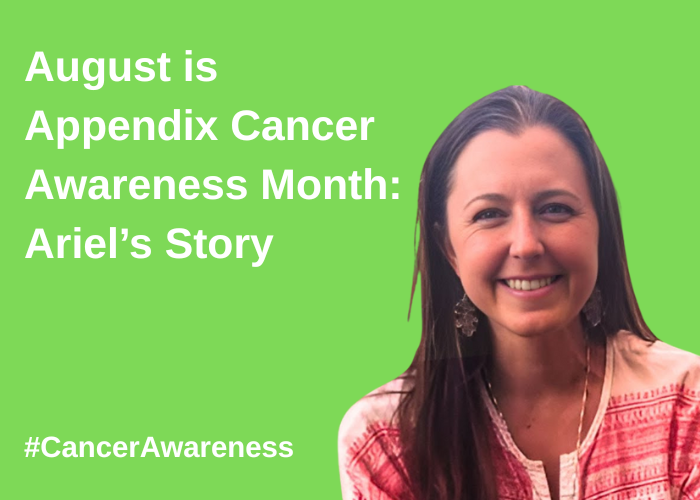
Ariel’s Story: Surviving Stage 4 Appendix Cancer and Finding Wholeness Again
When 30-year-old single mom and fitness professional Ariel Mierendorf felt sharp pains in her abdomen, she never imagined it was stage 4 high-grade appendix cancer—a rare and often misdiagnosed disease. Her journey through aggressive treatment, groundbreaking clinical trials, and holistic healing offers hope and awareness during Appendix Cancer Awareness Month.
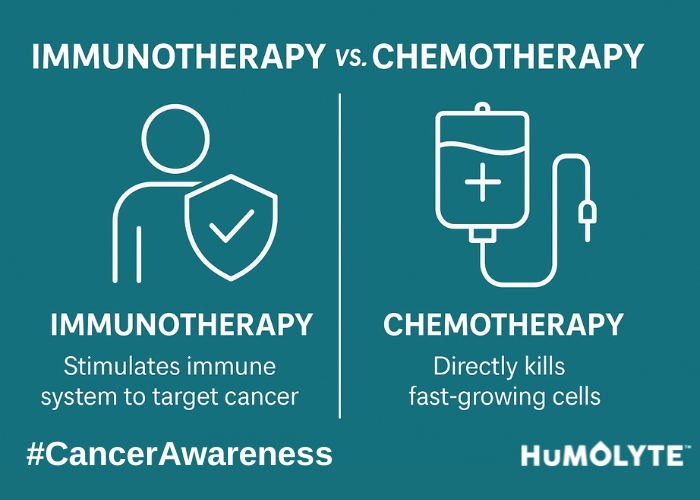
Immunotherapy vs. Chemotherapy: What’s the Difference and Why It Matters in Cancer Treatment
Chemotherapy and immunotherapy are two powerful yet distinct approaches to cancer treatment. While chemotherapy kills rapidly dividing cells—including healthy ones—immunotherapy boosts the body’s immune system to target cancer more precisely. This blog breaks down how each method works, their side effects, and when they may be used together for better outcomes.