
Blog

Brain Fog During Aromatase Inhibitor Treatment: Practical Tips for Clearer Thinking
Many breast cancer patients taking aromatase inhibitors notice brain fog, forgetfulness, or trouble focusing. This guide shares simple, practical tools like brain dumps, reminder systems, phone settings, and daily routines to help support clearer thinking during treatment.
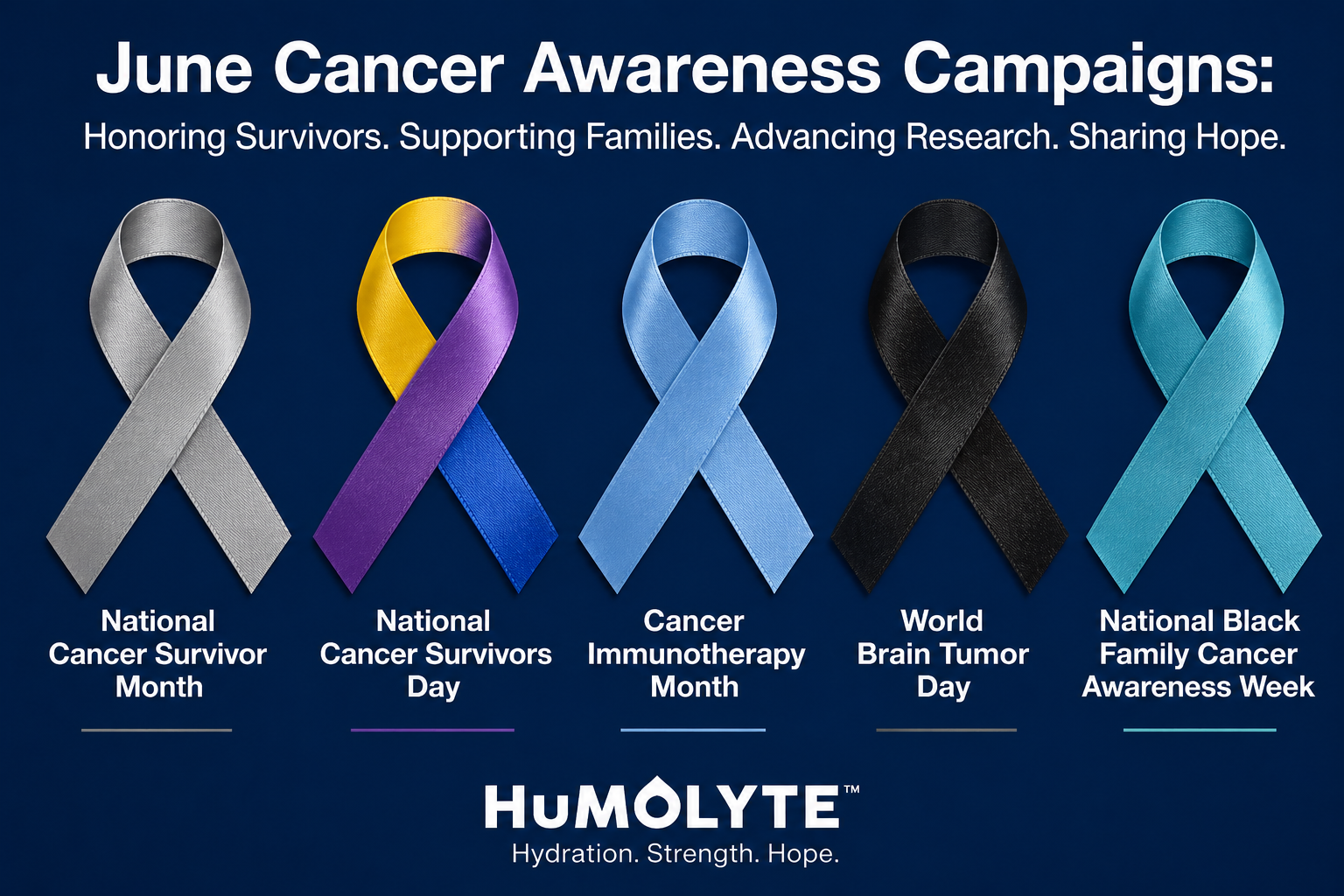
June Cancer Awareness Campaigns: A Month to Honor Survivors, Support Families, and Share Hope
June is an important month for the cancer community. Learn about the major cancer awareness campaigns in June and how patients, caregivers, survivors, and families can get involved.
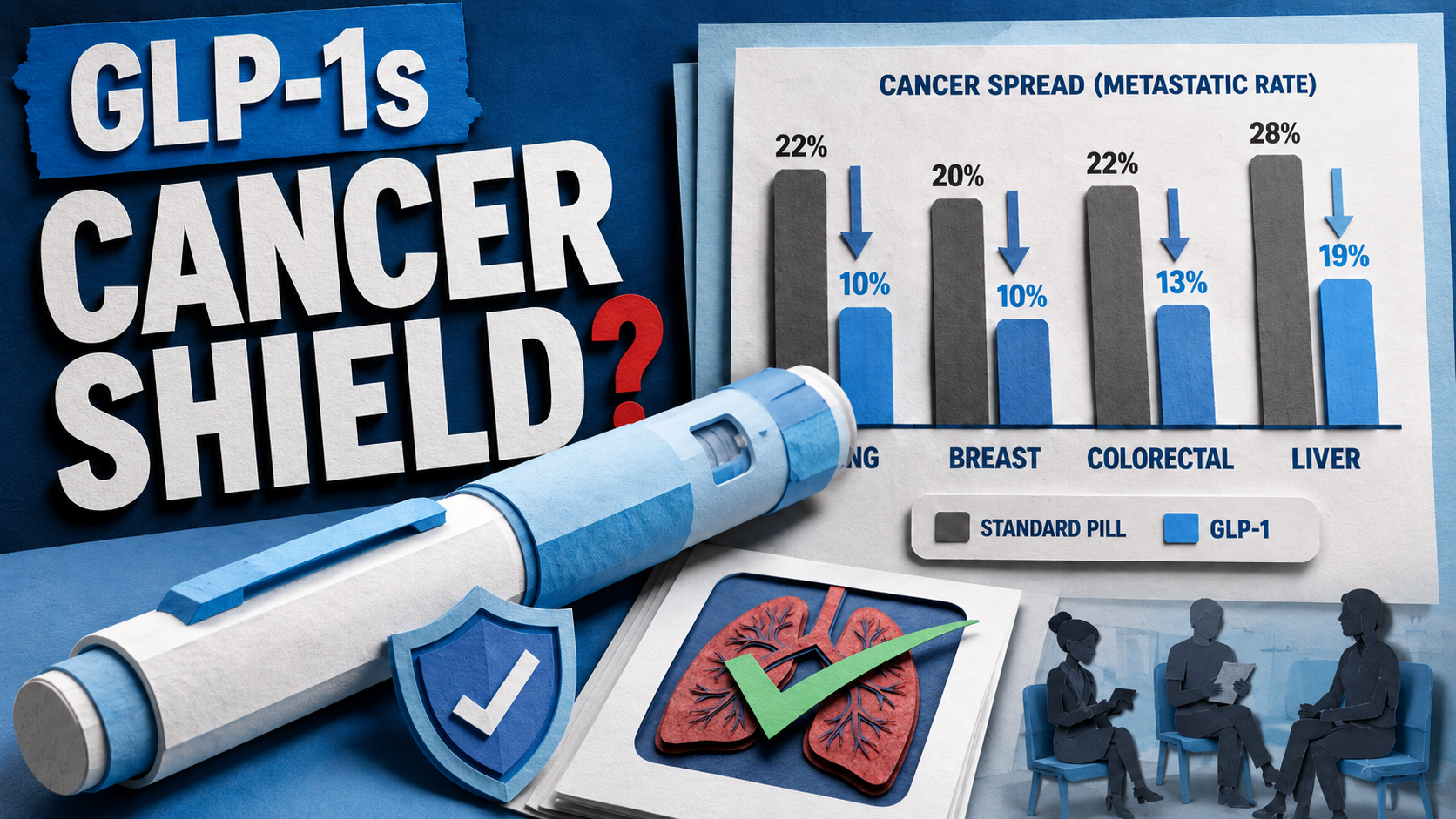
Could GLP-1 Drugs Help Slow Cancer Progression? What Patients and Caregivers Should Know
Emerging research presented at ASCO 2026 suggests GLP-1 medications such as Ozempic, Wegovy, and semaglutide may help slow the progression of certain obesity-related cancers. While more research is needed, the findings are offering cautious hope to patients and caregivers navigating cancer treatment decisions.
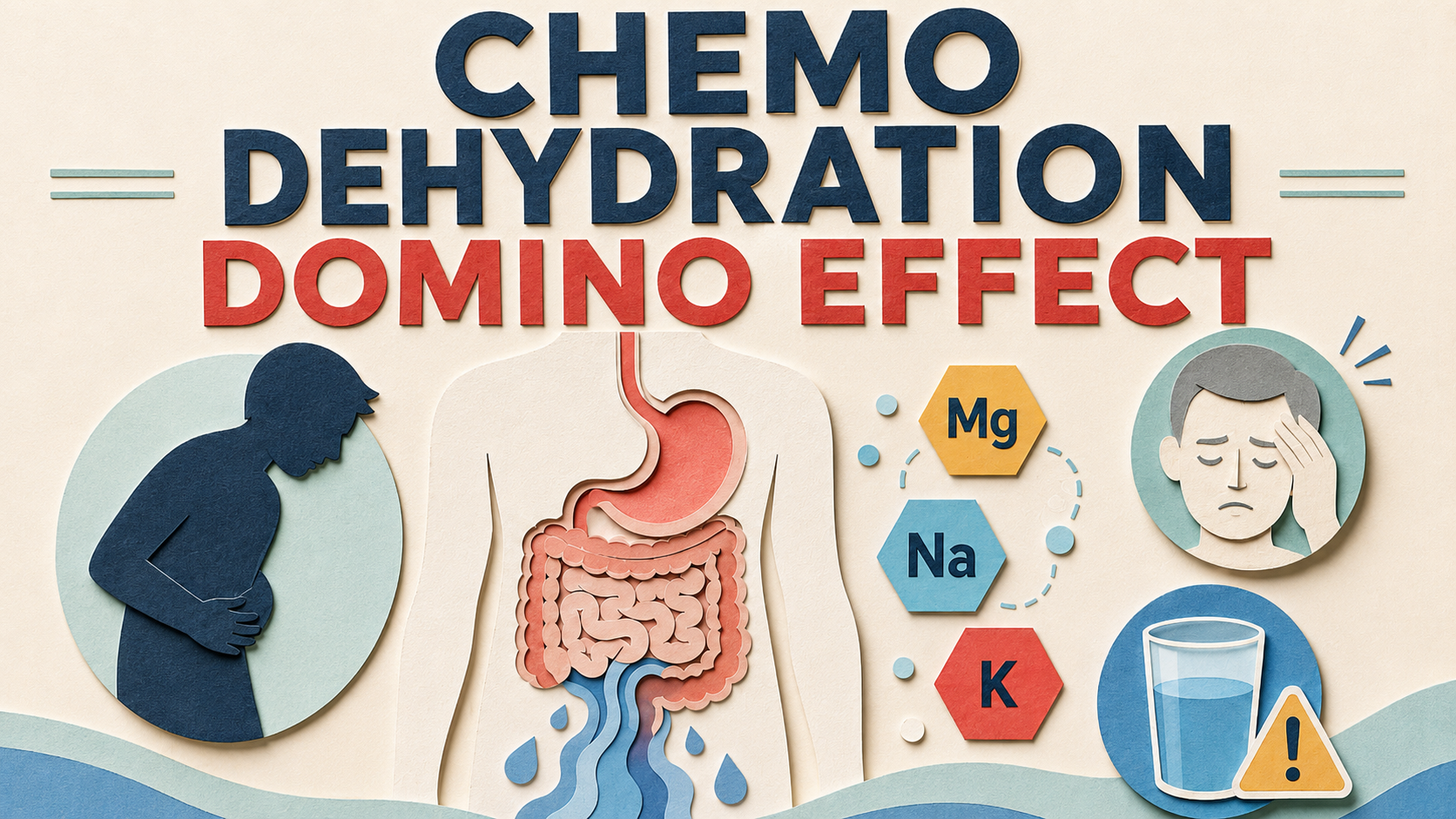
The Dehydration Domino Effect During Chemotherapy: What Cancer Patients and Caregivers Should Know
Cancer treatment can trigger a hidden chain reaction in the body. When chemotherapy, immunotherapy, or targeted therapy causes vomiting or diarrhea, patients may lose more than water — they may also lose key electrolytes like sodium, potassium, and magnesium. This article explains The Dehydration Domino Effect, why plain water may not always be enough, and what cancer patients and caregivers should discuss with their oncology team.

Managing the Breaking Bad Effect: How Cancer Can Change Mood, Personality, and Family Communication
Cancer can sometimes cause sudden mood and personality changes that leave families feeling confused or hurt. These shifts may be linked to inflammation, treatment side effects, pain, fatigue, medications, or emotional stress. Learn how patients and caregivers can recognize these changes, track them as medical symptoms, and bring a clear action plan to the oncology team.
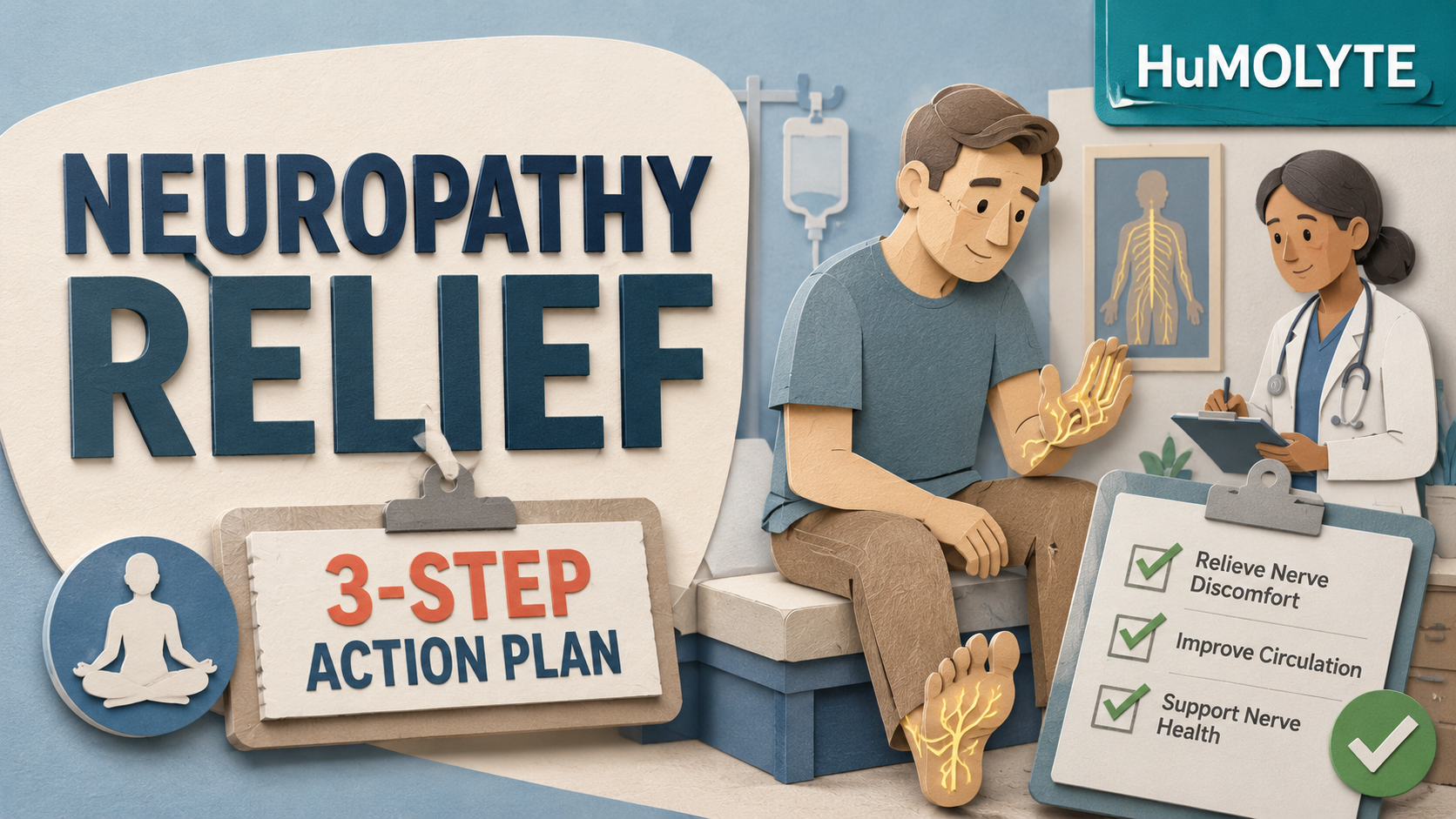
A 3-Step Daily Action Plan for Managing Chemotherapy-Induced Neuropathy
Peripheral neuropathy caused by chemotherapy can make everyday life feel uncomfortable and uncertain. Tingling, numbness, pain, and balance issues are common side effects for patients receiving taxanes or platinum-based chemotherapy drugs. The good news is that simple, evidence-based strategies may help reduce symptoms, improve mobility, and support nerve health. This three-step action plan outlines gentle movement exercises, at-home desensitization techniques, and important treatment discussions to have with your oncology team.

A New Blood Cancer Approval: What Beqalzi May Mean for Mantle Cell Lymphoma Patients
The FDA has approved Beqalzi, a new targeted treatment for certain adults with relapsed or refractory mantle cell lymphoma. Here is what patients and caregivers should know in plain language.
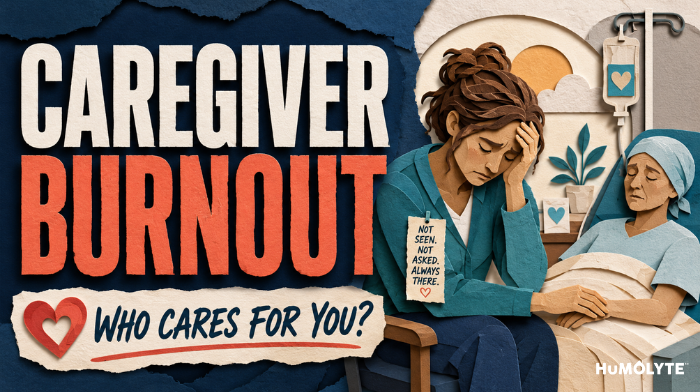
Caregivers Need Care Too: How to Spot Burnout and Ask for Help
Cancer caregivers give so much, often while putting their own needs last. New research shows that caregivers may face anxiety, depression, burnout, financial stress, and limited support. This guide explains the signs of caregiver burnout and simple steps caregivers can take to protect their health while caring for someone they love.
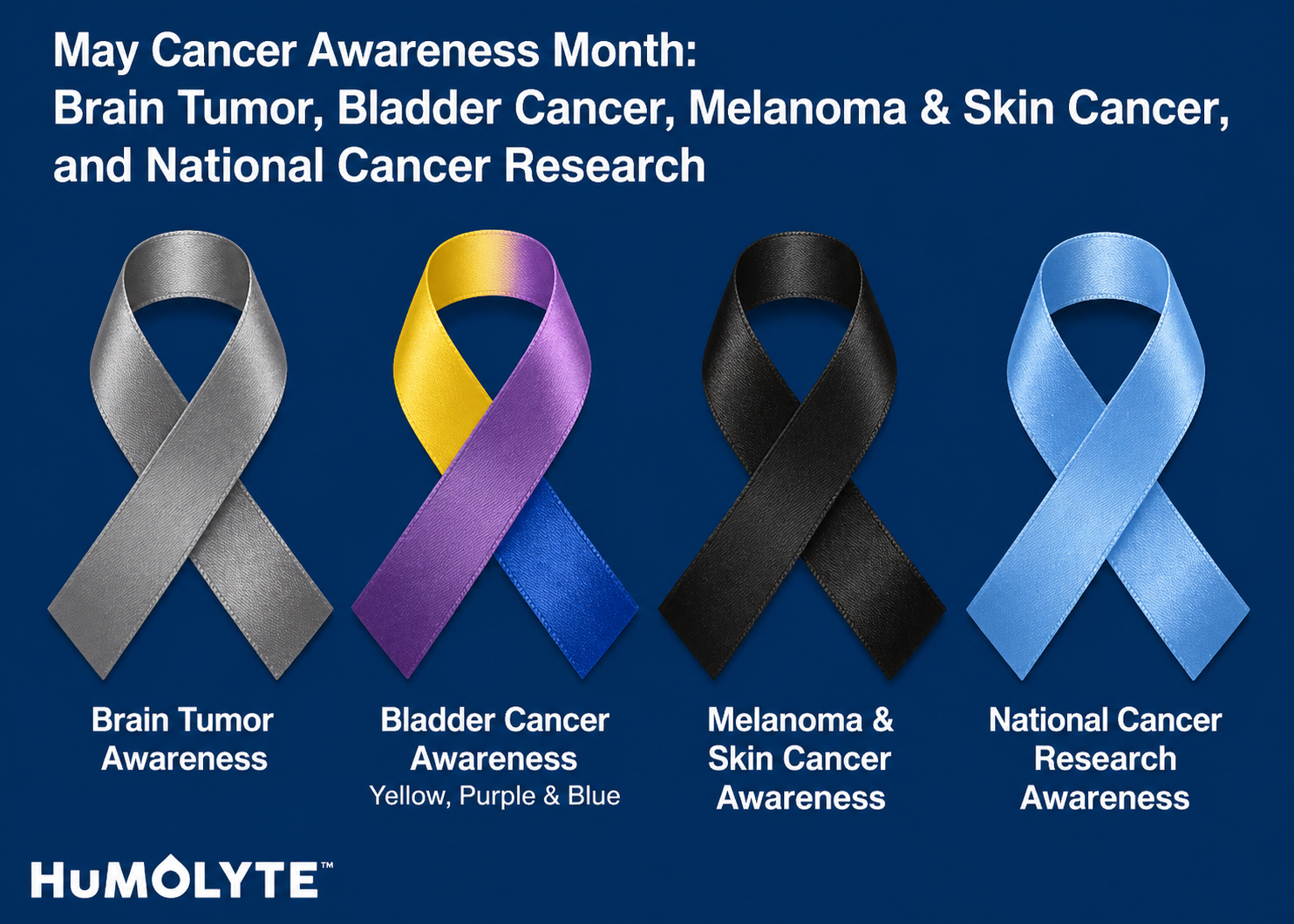
May Cancer Awareness Campaigns: Supporting Patients, Caregivers, and Research
May is an important month in the cancer community, bringing awareness to brain tumors, bladder cancer, melanoma and skin cancer, and the critical importance of cancer research. These campaigns help educate families, encourage early detection, support caregivers, and raise funding for life-saving treatments.
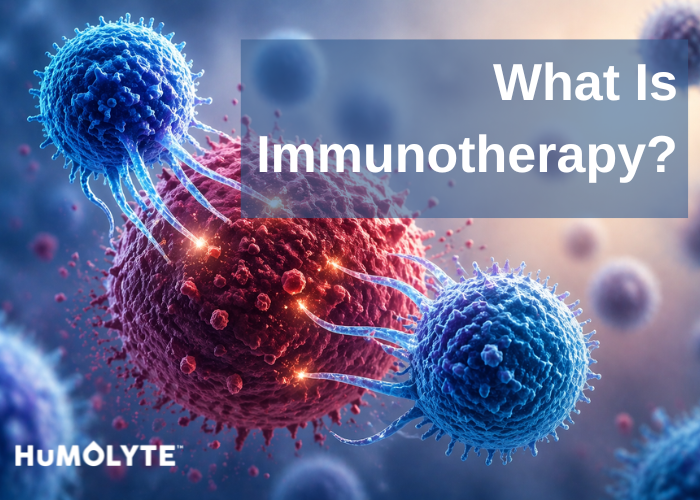
Is Chemotherapy Being Replaced? What New Immunotherapy Trials Mean for Patients
Recent clinical trials are raising an important question: could some cancer patients safely avoid chemotherapy? New data from immunotherapy studies show promising results, with tumors disappearing or stabilizing in certain groups. For patients and caregivers, this shift could mean fewer side effects and a different approach to treatment—but also new challenges to understand and manage.
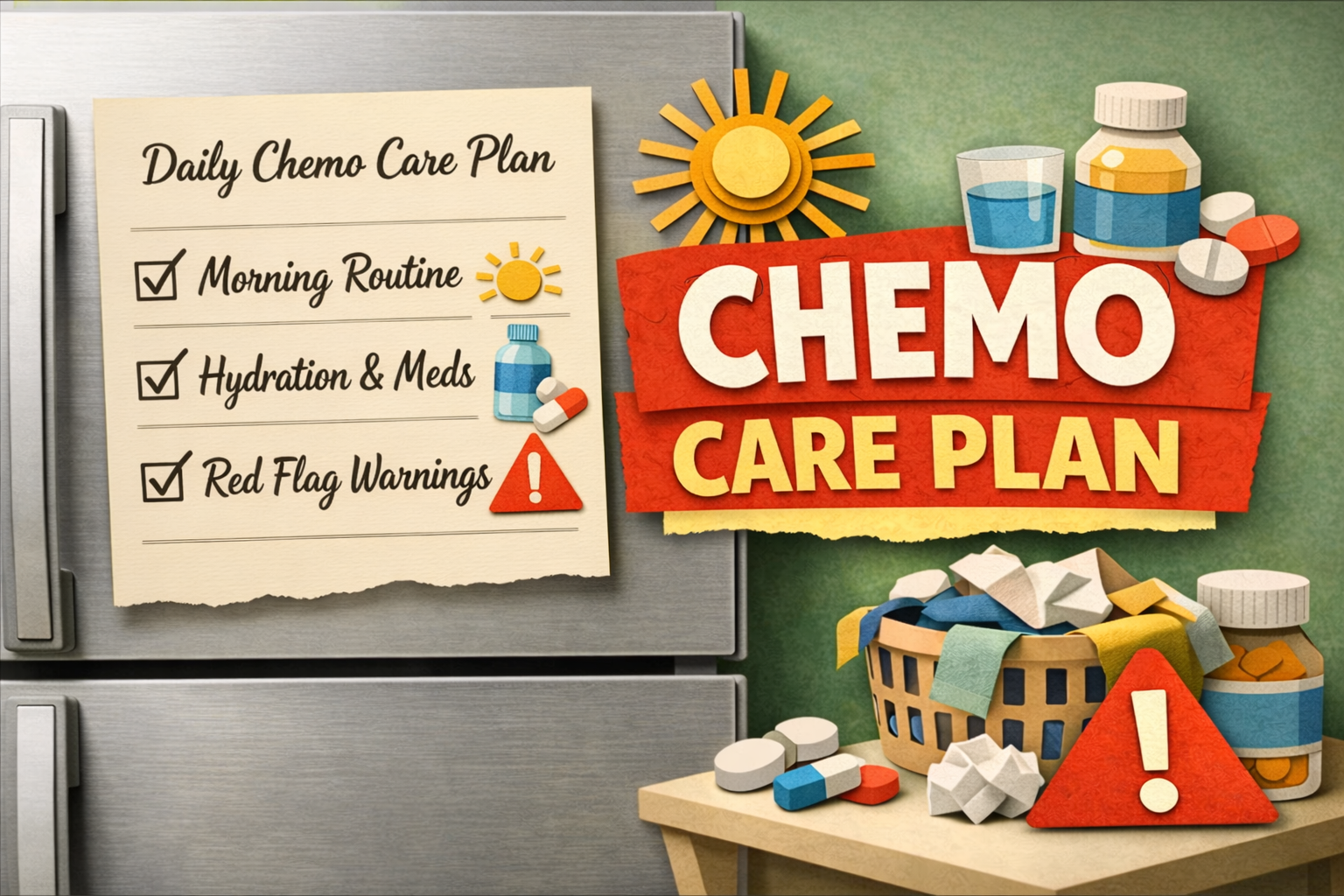
The Small Stuff Matters: A Plain-Talk Guide to Managing Chemo Side Effects
Chemotherapy side effects can feel overwhelming, but a simple daily care plan can help you stay organized and in control. This video explains how to manage fatigue, hydration, nausea, and the warning signs that mean it’s time to contact your medical care team.
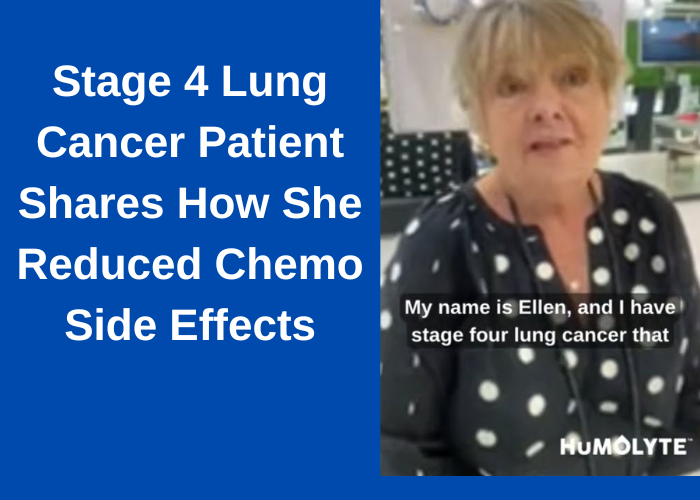
A Patient Story: Regaining Energy and Control During Chemotherapy
After three years of chemotherapy for stage IV lung cancer, Ellen struggled with fatigue, dehydration, and persistent nausea. Her experience highlights how improving hydration helped reduce side effects and restore the energy needed to return to everyday activities.

HuMOLYTE Wins ChicoStart Pitch Contest
HuMOLYTE’s recent win at the ChicoStart Pitch Contest signals growing recognition for innovative nutritional support designed to help cancer patients maintain strength, resilience, and quality of life.

There Is No FDA-Approved Drug for Chemo Diarrhea. Here Is What Fills the Gap.
Up to 80% of chemotherapy patients develop diarrhea during treatment. Doctors have drugs to slow it down — but not a single one is FDA-approved specifically for this condition. That gap has real consequences for patients. And it is exactly the gap HuMOLYTE was built to fill.

Why Chemotherapy Damages Your Gut — And How to Heal It
Every time you go in for a chemo infusion, you're fighting cancer. But the drugs fight your gut lining at the same time. The diarrhea, the cramping, the exhaustion — they're not just side effects. They're signs that your gut needs help. And the right support can make a real difference.
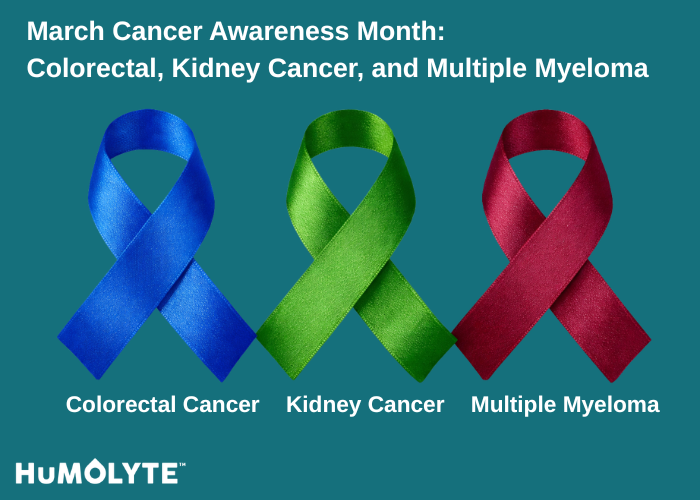
March Is a Month of Strength, Support, and Awareness: Honoring Colorectal Cancer, Kidney Cancer, and Multiple Myeloma
March honors Colorectal Cancer Awareness Month, Kidney Cancer Awareness Month, and Multiple Myeloma Awareness Month. Read a supportive blog for patients and caregivers on awareness, early action, and compassion.
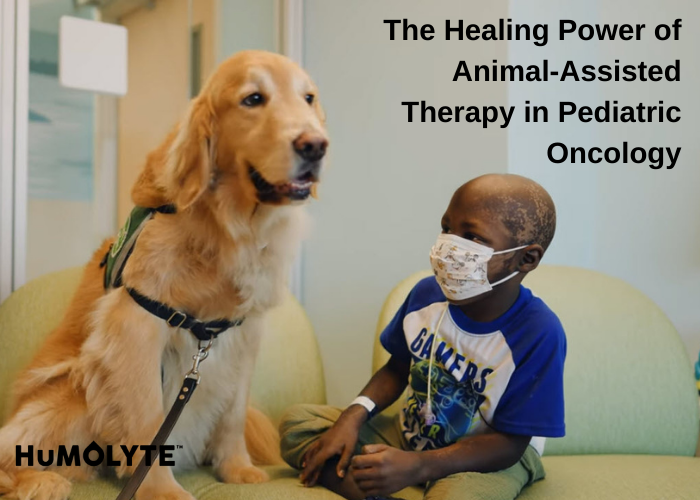
The Healing Power of Animal-Assisted Therapy in Pediatric Oncology
For children facing cancer, comfort sometimes comes from unexpected places. In pediatric oncology units across the country, specially trained therapy dogs are helping reduce pain, ease fear, and bring moments of calm during incredibly difficult days. Animal-assisted therapy is proving to be more than companionship—it is becoming a meaningful part of compassionate cancer care.

The “Breaking Bad Effect”: When Cancer Changes More Than the Body
When someone you love is diagnosed with cancer, you expect physical challenges. What many families don’t expect are sudden personality shifts, irritability, impulsivity, or emotional changes. Emerging research suggests cancer itself may influence the brain in ways that alter behavior. Understanding this “Breaking Bad effect” can help caregivers and patients navigate these changes with compassion and clarity.
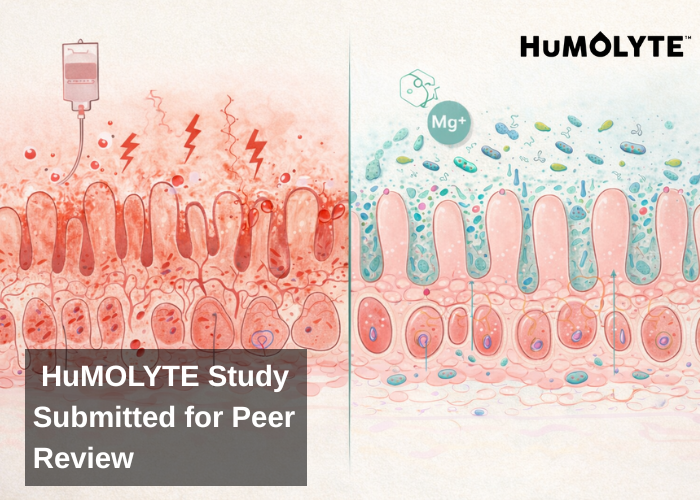
Peer-Reviewed Study Finds HuMOLYTE Reduced Chemotherapy-Induced Mucositis in Preclinical Research
A newly submitted study, currently under peer review, reports that Humolyte®, a medical food containing 2’-fucosyllactose (2’-FL) and magnesium, significantly reduced chemotherapy-induced diarrhea, weight loss, and damage to the intestinal and oral lining in preclinical models. The findings point to a promising supportive care approach aimed at protecting gut barrier function and improving tolerance to cancer treatment.
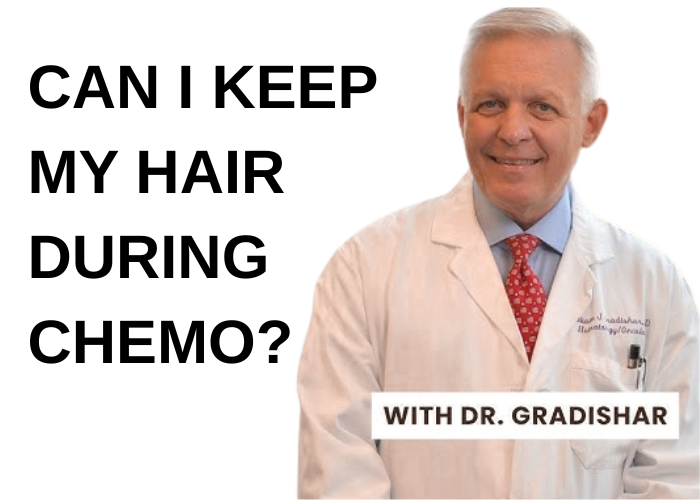
Chemotherapy and Hair Loss: What Patients and Caregivers Need to Know About Scalp Cooling
Hair loss during chemotherapy can feel devastating, affecting identity, confidence, and quality of life. In this guide, we explain why hair loss happens, how scalp cooling works, what to expect during treatment, and how patients and caregivers can make informed decisions about protecting hair during chemotherapy.