
Blog
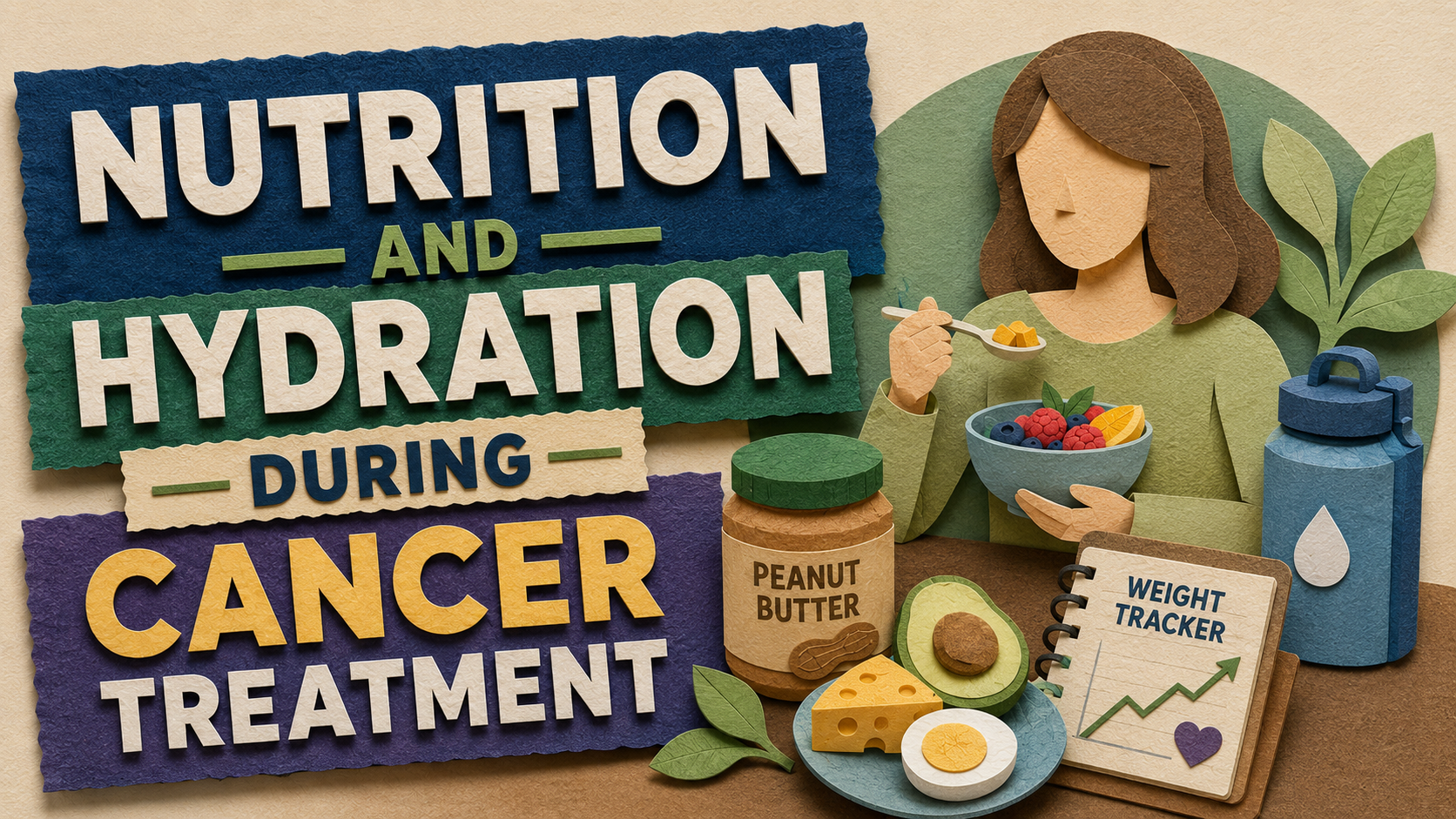
Nutrition Tips for Poor Appetite and Weight Loss During Chemotherapy
Cancer treatment can make eating and drinking difficult. This practical guide explains how to manage poor appetite, nausea, diarrhea, constipation, mouth sores, dehydration, and weight loss while adjusting nutrition and hydration to each patient’s treatment plan and medical needs.
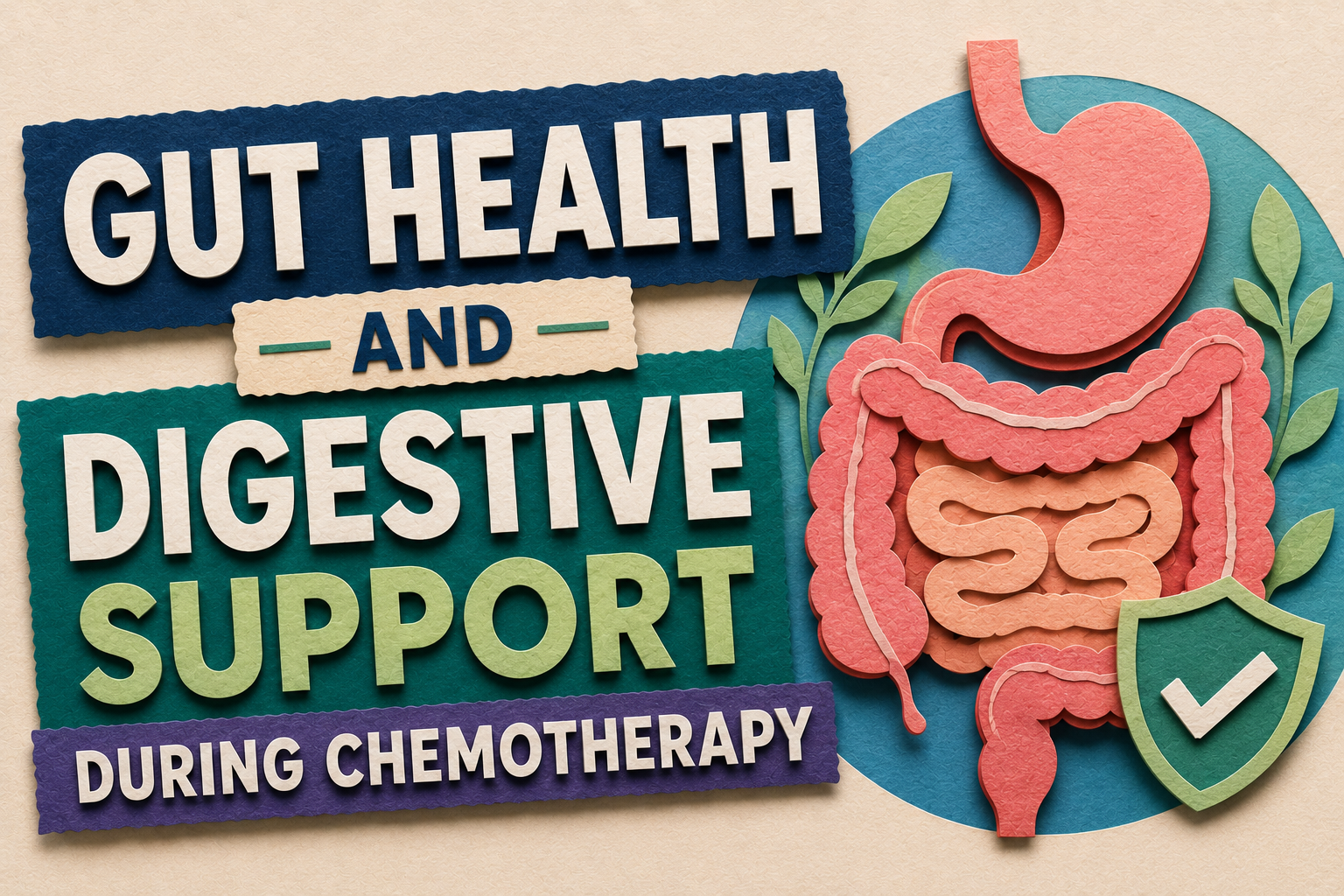
Gut Health During Chemotherapy: Why It Matters and How to Support It
Chemotherapy can affect digestion, hydration, the intestinal lining, and the gut microbiome. This guide explains common digestive side effects and practical supportive steps, while emphasizing that food, fluids, medications, and supplements should be adjusted to each patient’s symptoms, immune status, and treatment plan.
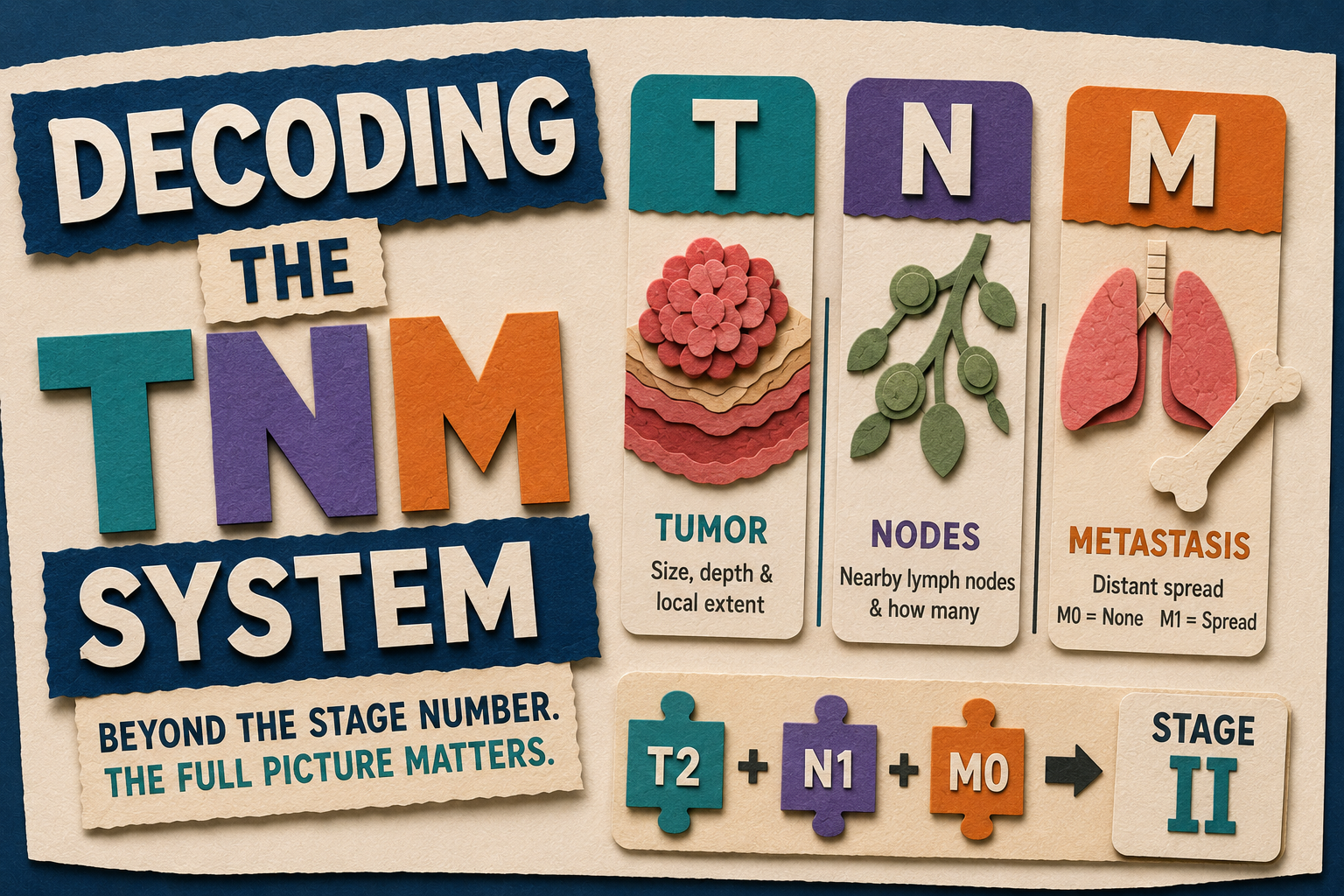
Understanding Cancer Staging: What Stages 0–4 and TNM Really Mean
Cancer staging explains how much cancer is present, where it is located, and whether it has spread. This guide breaks down cancer stages 0 through IV, the TNM system, tumor grade, prognosis, and the key questions patients and caregivers should ask their oncology team.
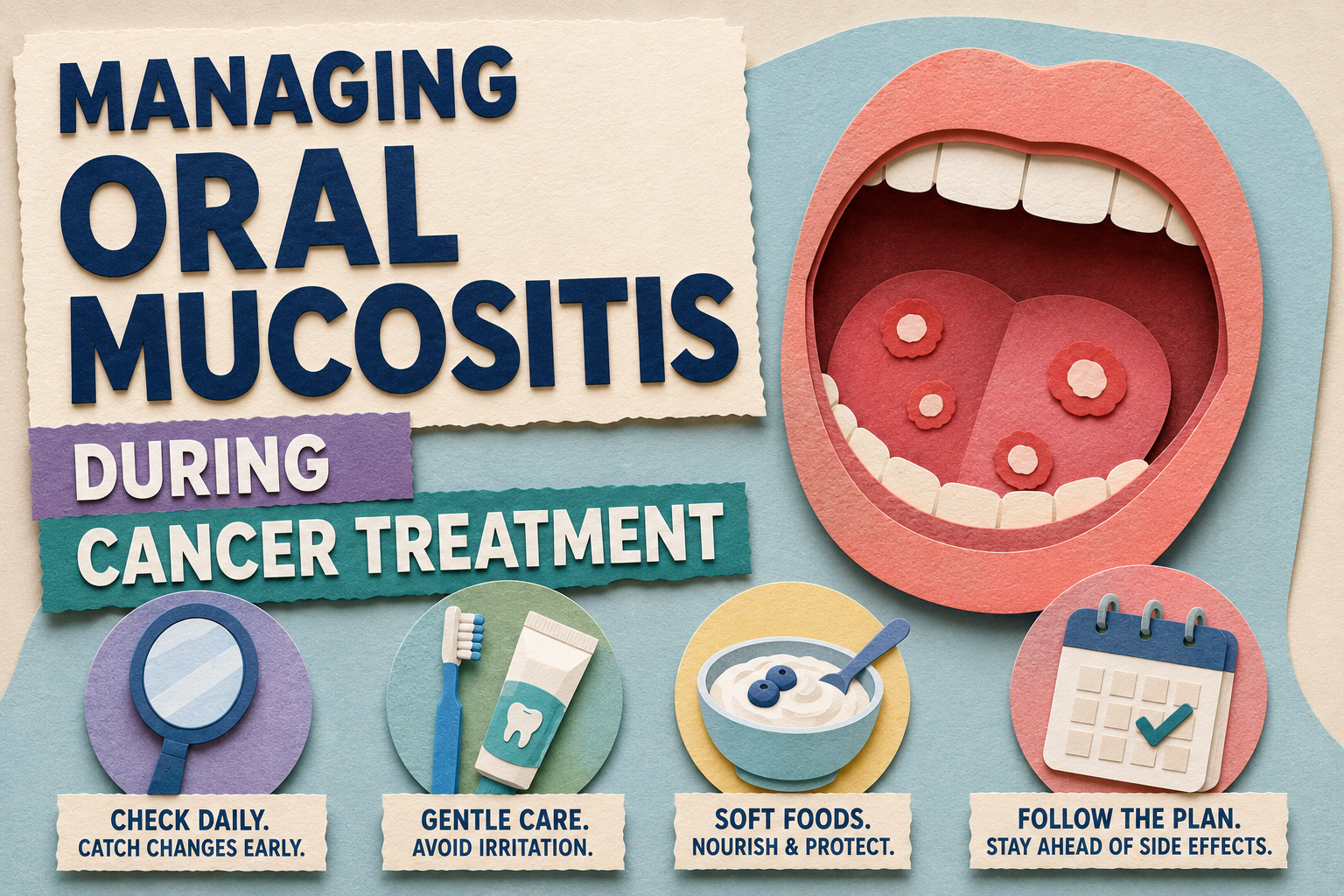
Cancer Treatment and Mouth Sores: When to Call Your Care Team
Mouth sores can be a painful side effect of cancer treatment, and recent cancer news shows they remain an important issue with some newer therapies. This guide explains what patients and caregivers should watch for, when to call the oncology team, and how HuMOLYTE may help support mouth comfort during treatment.
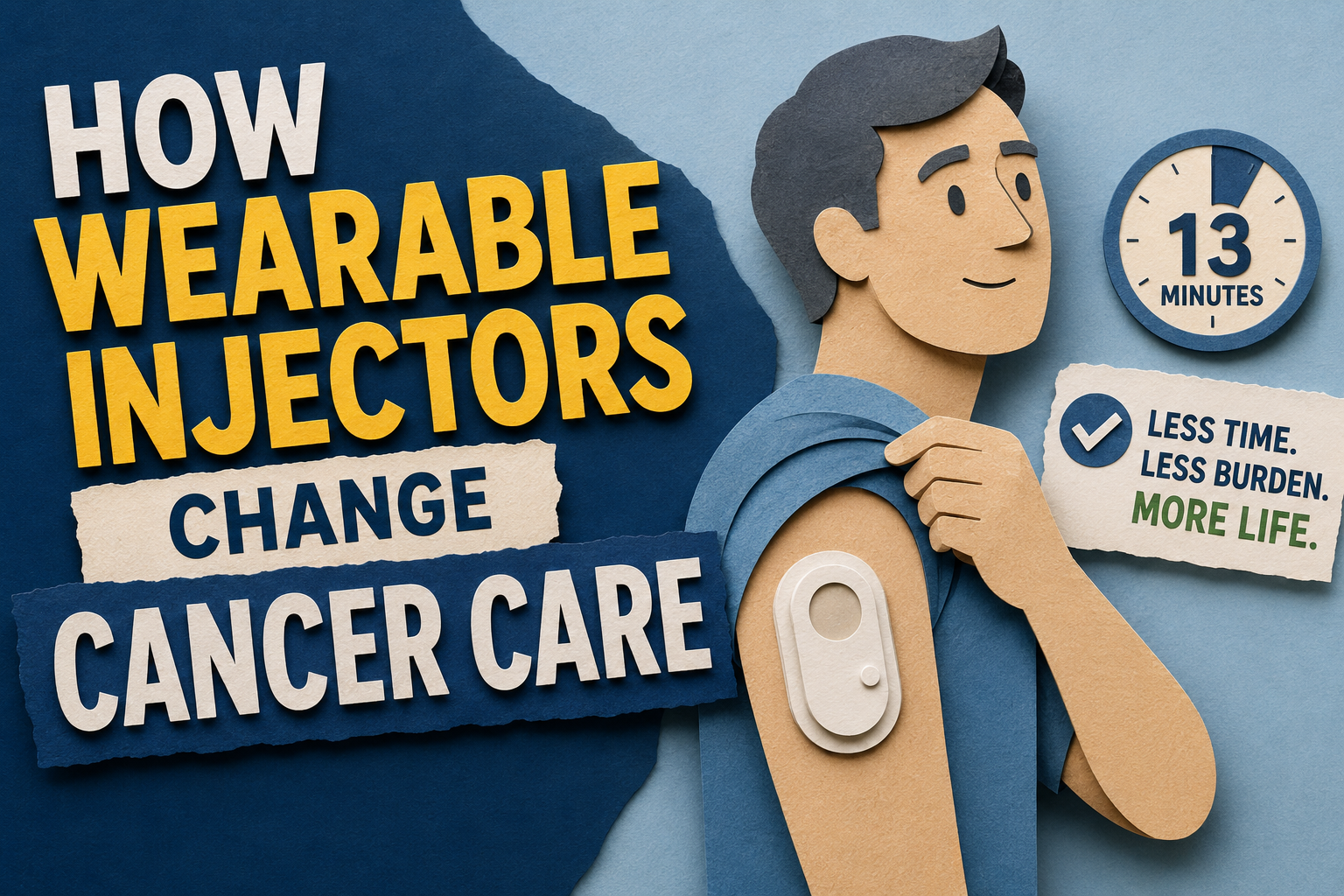
Less Time in the Infusion Chair: What Wearable Cancer Drug Injectors Could Mean
A new FDA approval may help some multiple myeloma patients spend less time in the infusion chair. Learn how wearable cancer drug injectors work, why treatment burden matters, and what questions to ask your oncology team.
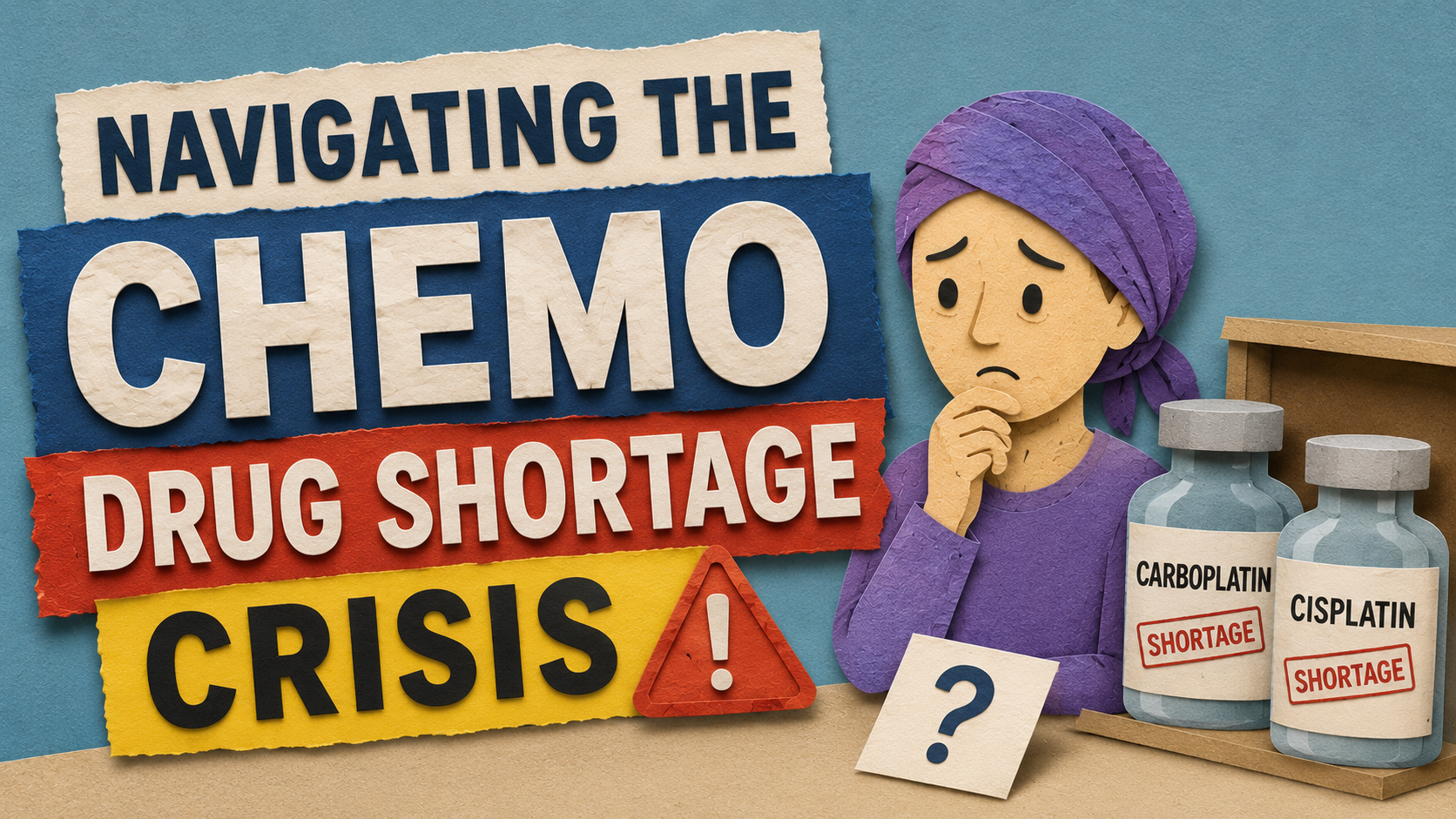
Chemo Drug Shortages: What Cancer Patients Should Ask Their Care Team
Chemo drug shortages can be frightening, especially when treatment timing matters. This guide explains what patients and caregivers should ask their cancer care team about drug availability, possible delays, safe alternatives, and how to stay informed without changing treatment on their own.
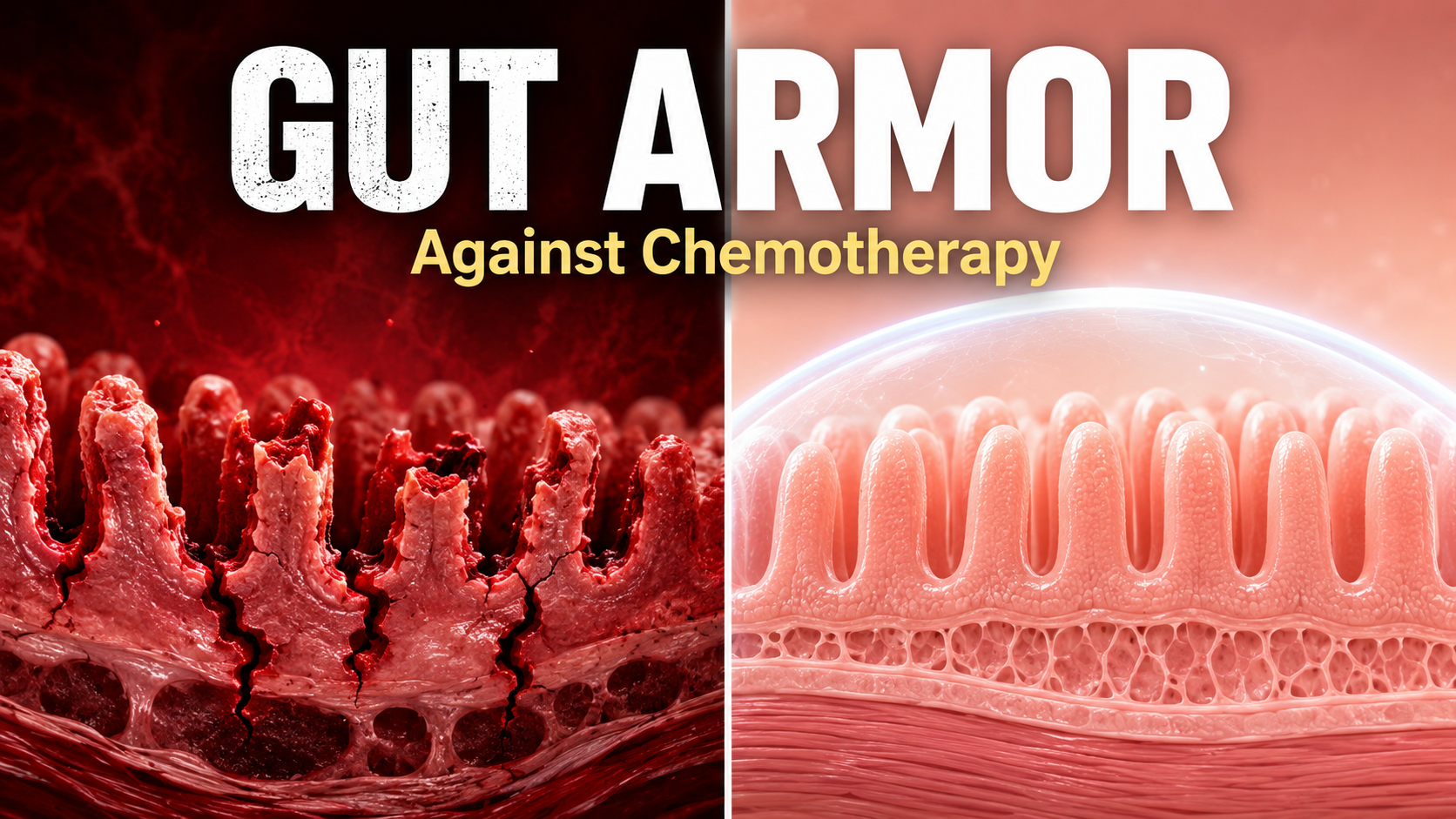
New Study Looks at HuMOLYTE® and Chemotherapy-Related Mucositis
A new peer-reviewed study published in Frontiers in Nutrition looked at whether HuMOLYTE®, a medical food containing 2′-fucosyllactose HMO and electrolytes, could help protect the gut during chemotherapy. The study was done in rats and lab-grown intestinal cells, so more research in cancer patients is still needed. But the results are promising: HuMOLYTE® reduced diarrhea, weight loss, oral tissue injury, and intestinal inflammation caused by several common chemotherapy drugs.
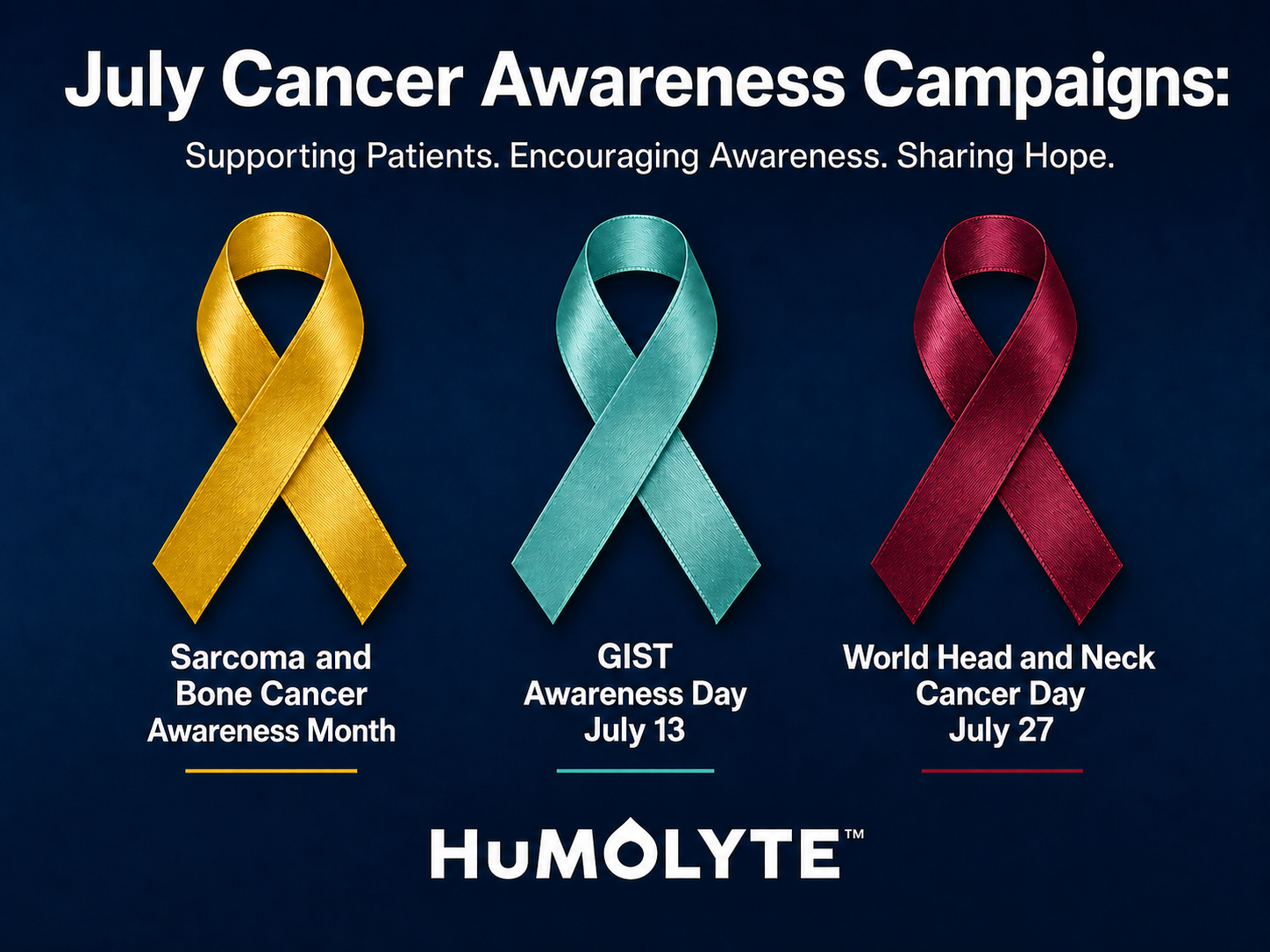
July Cancer Awareness Campaigns: Guide for Patients and Caregivers
July highlights several important cancer awareness campaigns, including Sarcoma and Bone Cancer Awareness Month, UV Safety Awareness Month, GIST Awareness Day, and World Head and Neck Cancer Day. This guide explains what patients and caregivers should know about symptoms, prevention, hydration, nutrition, and supportive care during cancer treatment.
IGH Naturals Announces Peer-Reviewed HuMOLYTE® Study Published in Frontiers in Nutrition
IGH Naturals announced the publication of a peer-reviewed study in Frontiers in Nutrition evaluating HuMOLYTE®, a medical food formulated with 2′-fucosyllactose, magnesium, sodium, and potassium. The preclinical study reported reduced chemotherapy-induced mucositis markers in Wistar rats and supported further investigation of HuMOLYTE® as a supportive nutrition strategy during cancer treatment.
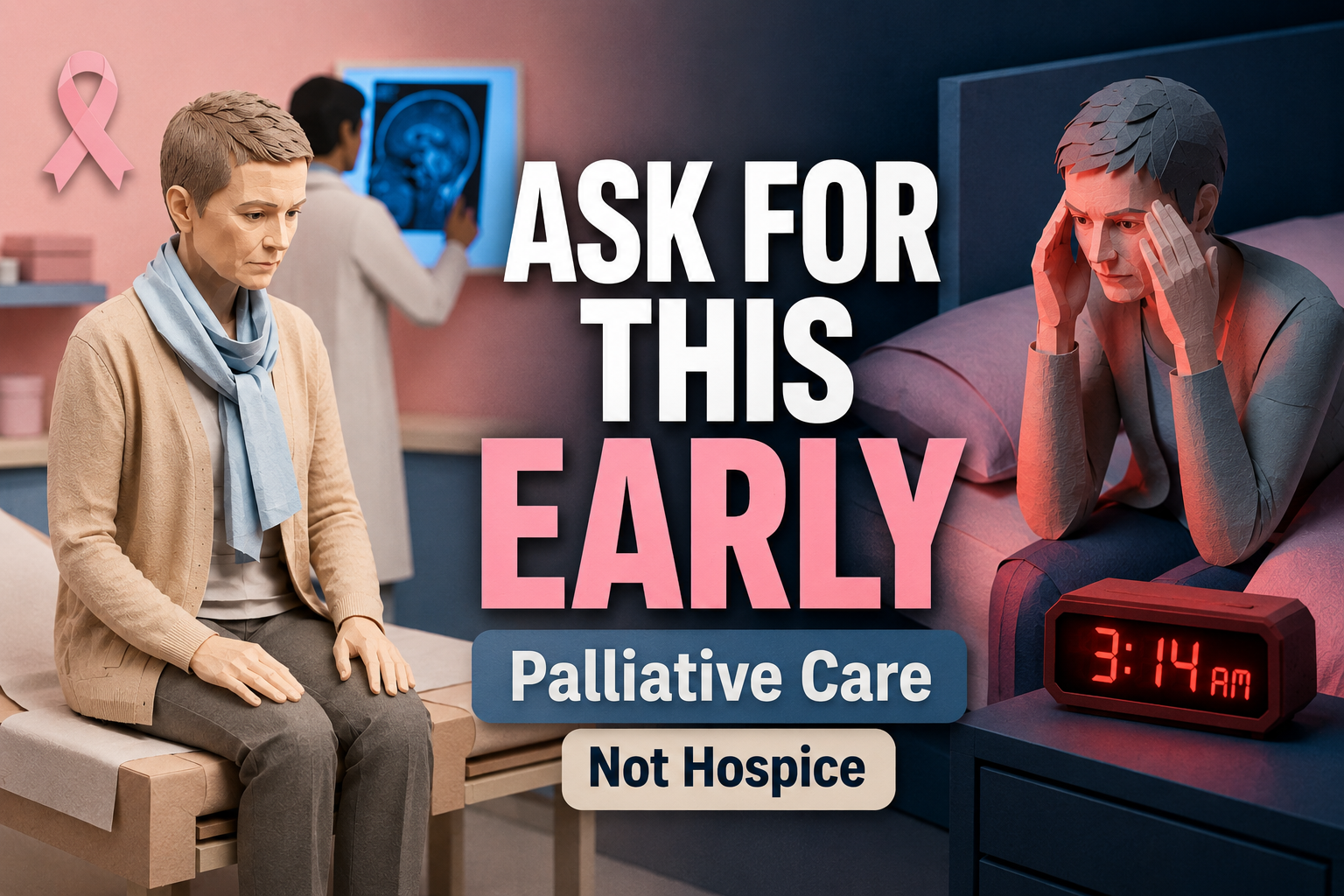
Early Palliative Care for Breast Cancer: Support Patients and Caregivers Should Ask For
A breast cancer diagnosis brings more than medical decisions. It can bring anxiety, poor sleep, side effects, caregiver stress, and daily overwhelm. Early palliative care gives patients and families an added layer of support while treatment is still active. Here’s why asking for it early can make cancer care feel less frightening and more manageable.
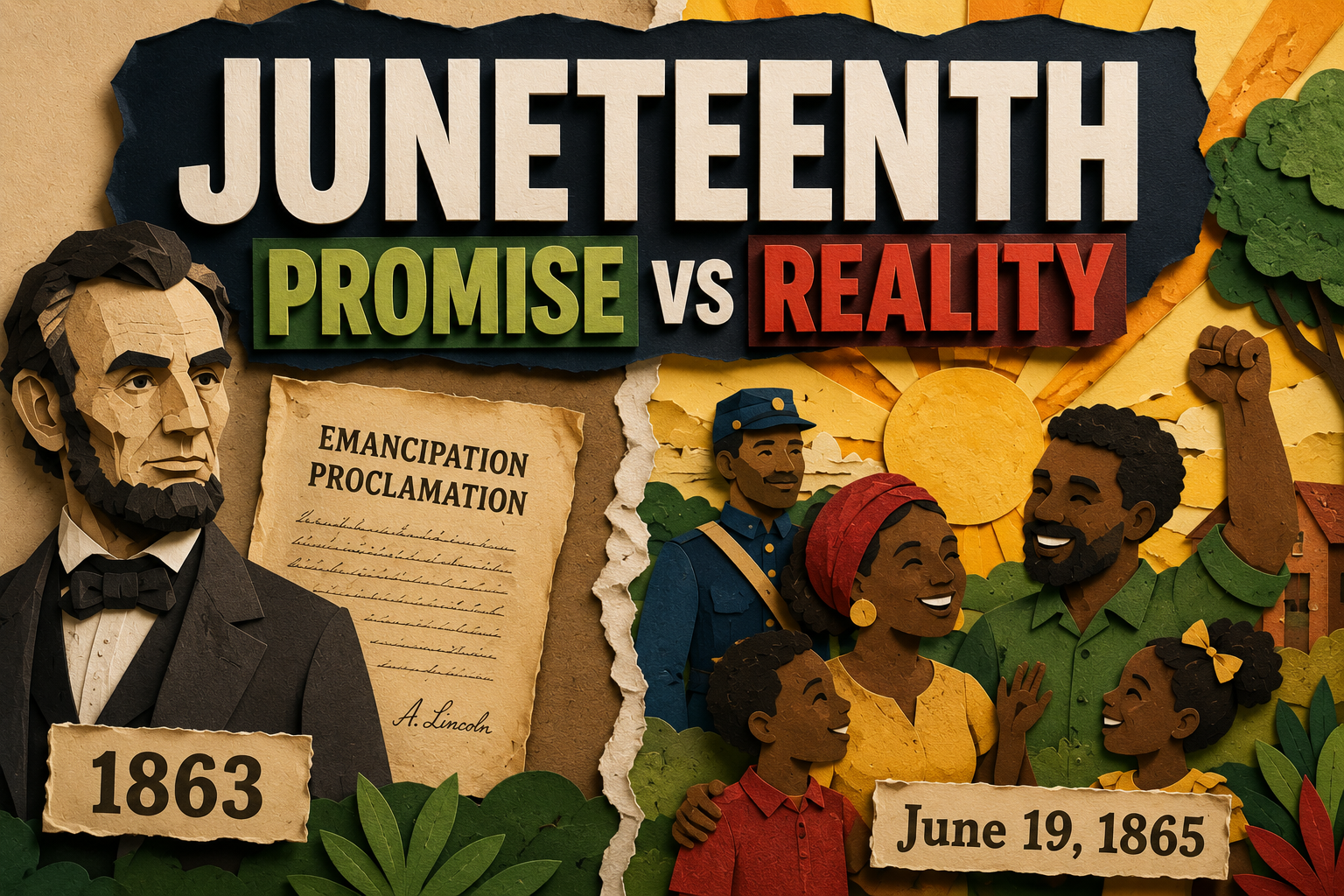
Happy Juneteenth from the HuMOLYTE Team
Juneteenth marks more than the end of slavery in Texas. It tells the story of a promise made in 1863 and a reality delayed until June 19, 1865. This article explores the history of Juneteenth, the role of the Emancipation Proclamation, and why the holiday still matters today as a reminder of freedom, resilience, and the ongoing journey toward equity.
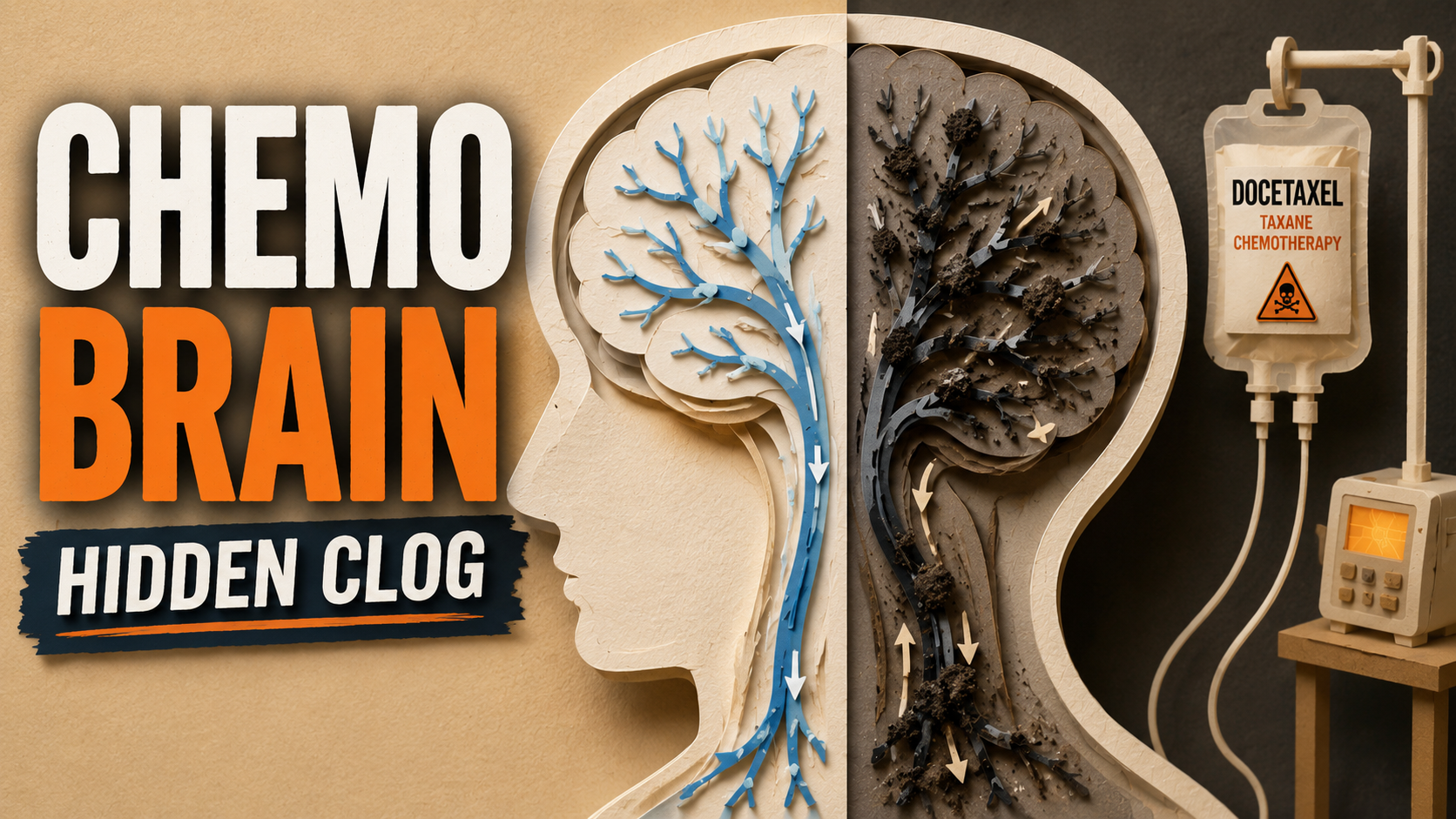
Chemo Brain Is Real, and You Are Not Imagining It
Chemo brain is real. Many cancer patients and survivors experience memory problems, brain fog, and trouble focusing during or after treatment. New research suggests some chemotherapy drugs may affect the brain’s hidden waste-clearance system, which could help explain why thinking changes happen. Learn what chemo brain feels like, when to tell your care team, and how patients and caregivers can manage daily life with more confidence.
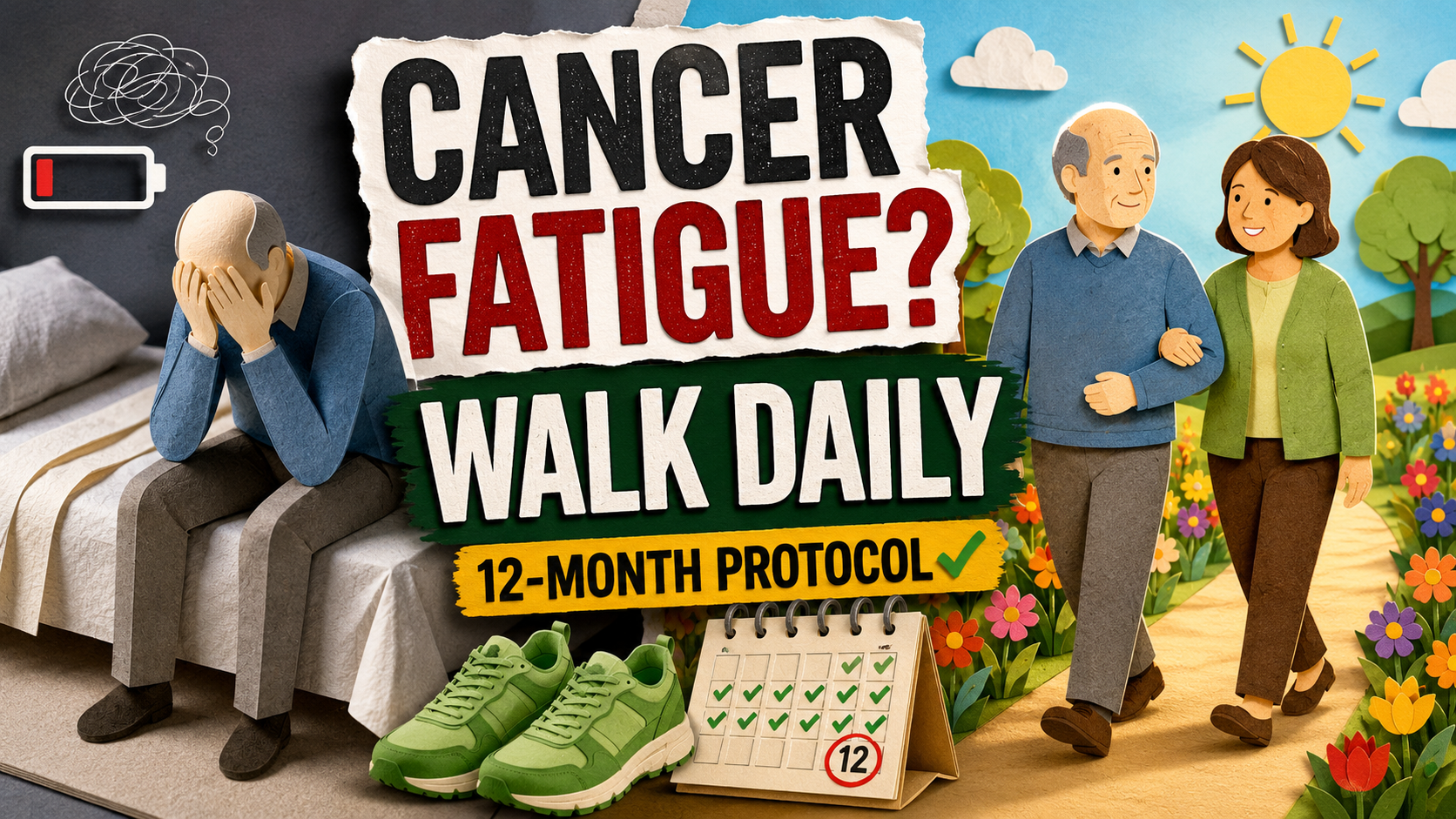
Cancer Fatigue and Walking: A Gentle Daily Protocol to Rebuild Energy
Cancer-related fatigue is more than normal tiredness, and sleep alone may not fix it. This guide explains how a gentle daily walking protocol can help cancer patients and survivors rebuild energy over time. Learn how to start small, track progress, involve caregivers, and stay safe during recovery.

How to Talk to Kids About Cancer: A Gentle Guide for Patients and Caregivers
Talking to children about cancer can feel overwhelming, but silence often makes the unknown feel even scarier. This gentle guide helps cancer patients, parents, and caregivers explain a diagnosis with simple, age-appropriate honesty. Learn how to start the conversation, answer hard questions, explain treatment, and keep routines steady so children feel safe, loved, and included..
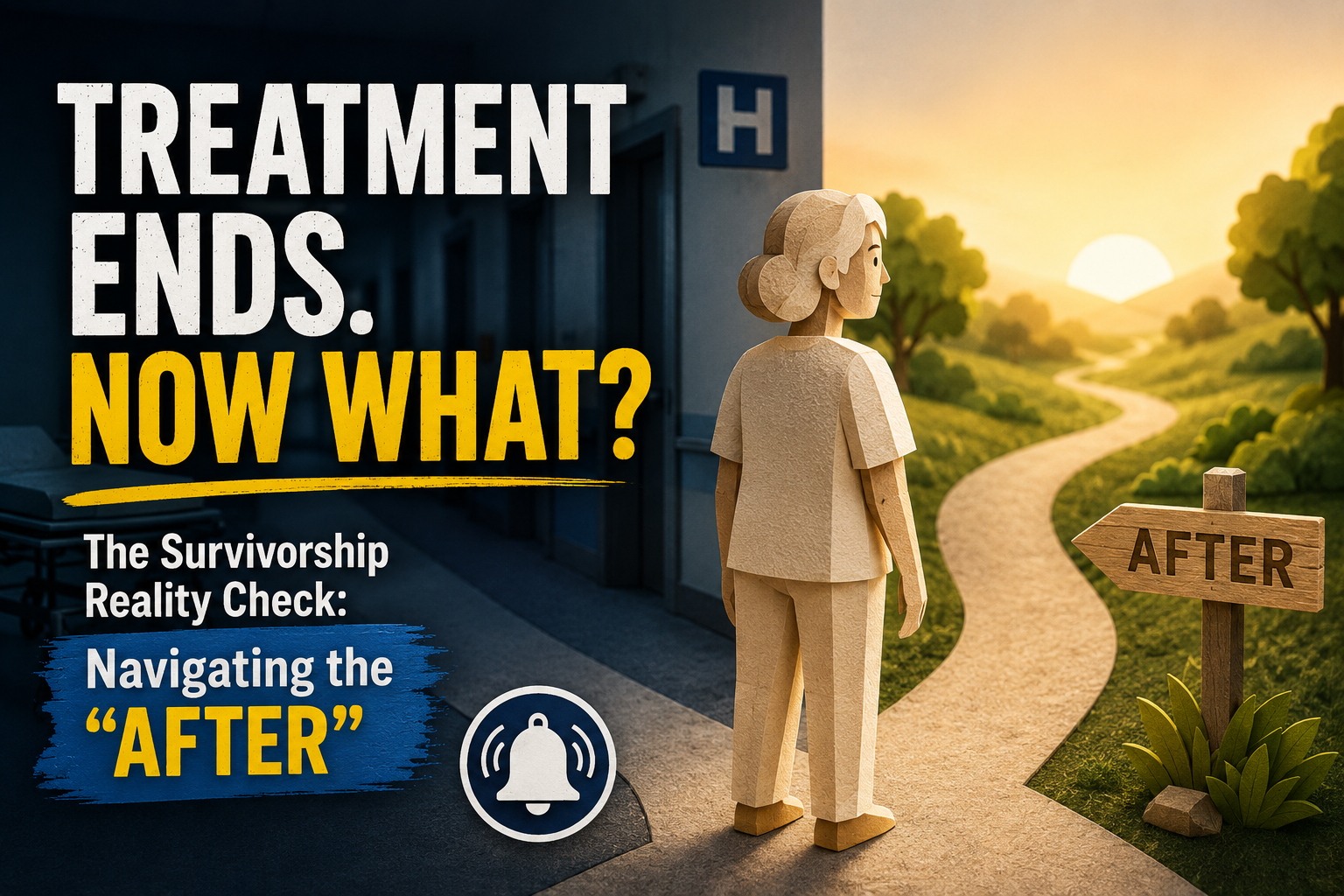
Understanding Cancer Survivorship: What Patients and Caregivers Need to Know
Finishing cancer treatment is a milestone worth celebrating, but it is not the end of the journey. Cancer survivorship brings its own physical, emotional, and practical challenges for both patients and caregivers. Understanding what to expect can help survivors navigate life after treatment with confidence, resilience, and hope.

Veteran Caregiver Resources: VA Support, Financial Aid, and Cancer Care
Veteran caregivers support those who served—often while navigating complex benefits and cancer care. This guide explains VA caregiver programs (PGCSS and PCAFC), financial stipends, respite options, oncology support, and palliative care access. It’s written for answer engines and humans alike: quick Q&A, checklists, and structured data you can act on today.

Outside the Envelope: Making Sense of ENE
Extranodal extension, or ENE, can sound scary. But it does not always mean cancer has spread far away. ENE means cancer cells have moved just outside the edge of a lymph node. Understanding this detail can help you ask better questions and feel more prepared for your next oncology visit.
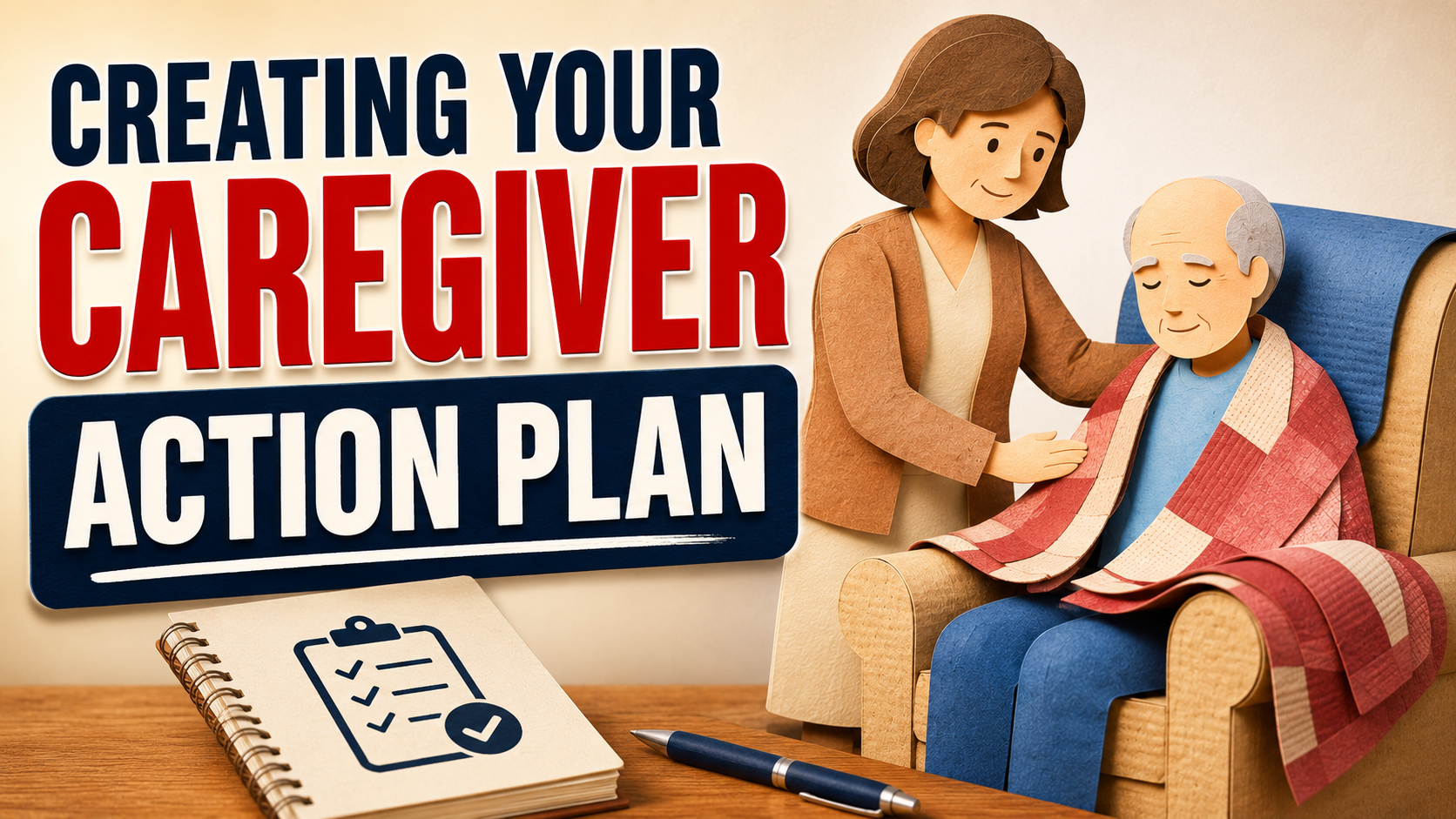
Caregiver Action Plan for Cancer Patients: A Simple Step-by-Step Guide
A caregiver action plan helps cancer patients and caregivers stay organized during treatment. Learn what to include, how to track symptoms, how to prepare for appointments, and how to build a simple care plan one step at a time.
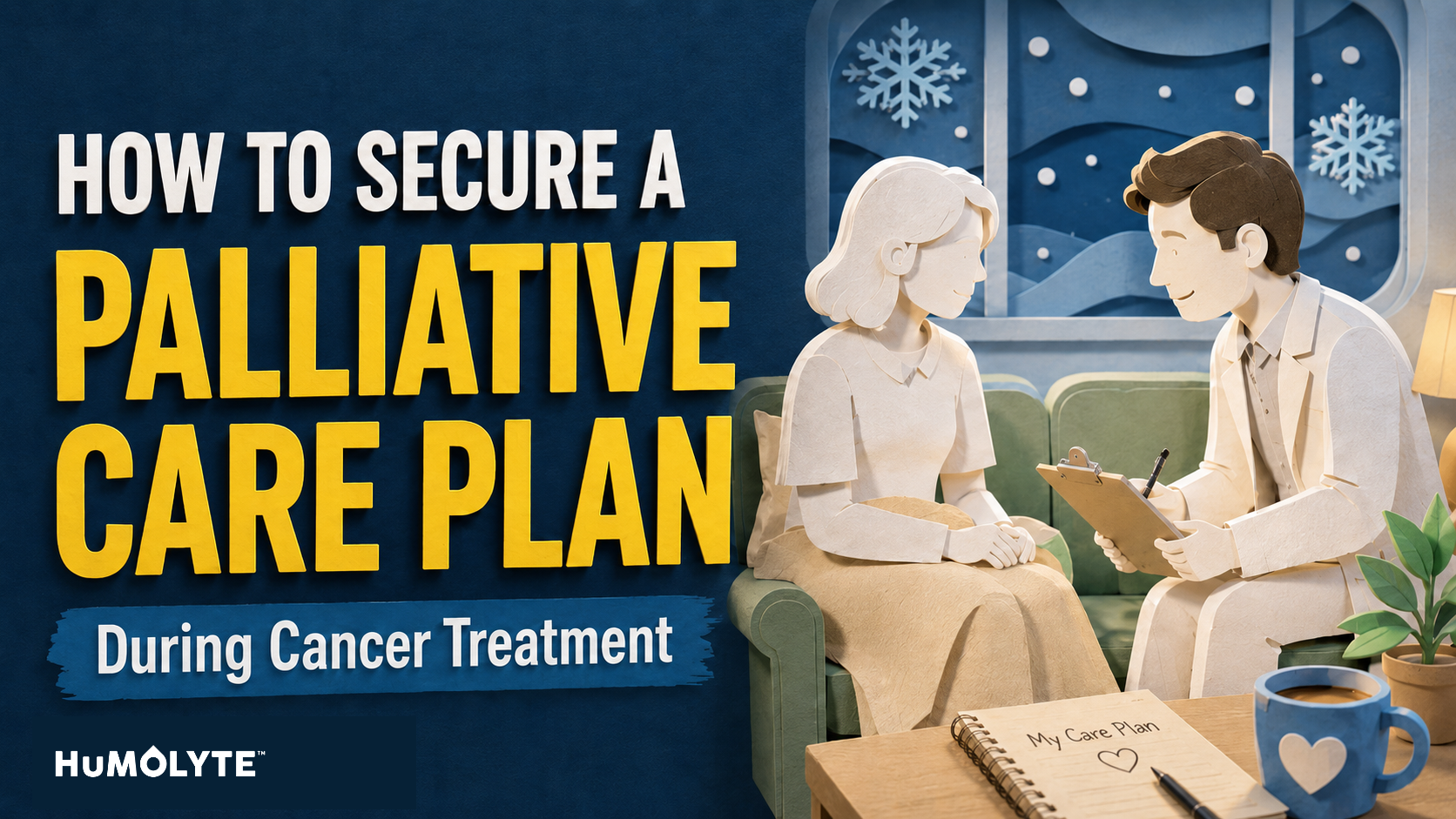
Palliative Care Is Not Giving Up: How Supportive Care Helps During Cancer Treatment
Palliative care is not the same as giving up. It is supportive care that helps cancer patients manage pain, side effects, emotions, and caregiver stress during treatment.
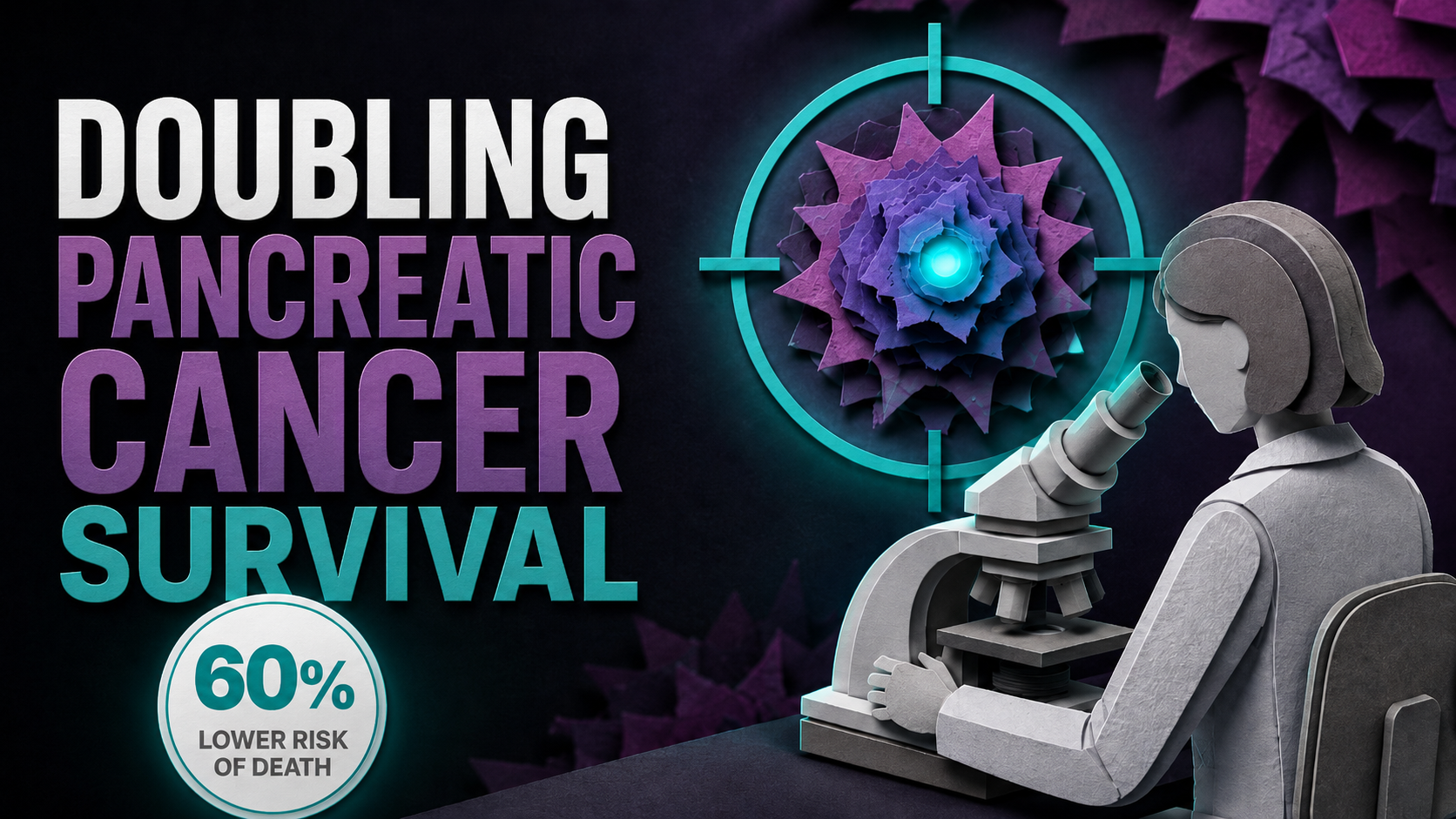
Doubling Pancreatic Cancer Survival: What Patients Should Know About Daraxonrasib and RAS
A new RAS-targeting drug called daraxonrasib may offer hope for people with metastatic pancreatic cancer after first treatment stops working. This article explains how the drug works, what the latest survival results may mean, and what patients and caregivers should ask their oncology team.